By Idowu Ephraim Faleye
In recent times, public discussions about President Bola Ahmed Tinubu have increasingly focused on his age and physical capacity. Videos of his public appearances, comments about his gait and questions about his stamina have generated considerable debate about his fitness to govern Nigeria. However, reducing presidential fitness to age and physical appearance misses the fundamental demands of leadership. The presidency is not a physical fitness competition; it is primarily an intellectual, strategic and administrative responsibility.
The president is Nigeria’s chief executive and is not expected to personally execute every government project, manage every ministry or attend every public engagement. His responsibilities include setting national priorities, shaping economic policies, allocating resources and appointing competent people to implement government programmes. These responsibilities demand sound judgement, experience, critical thinking and the ability to understand complex issues. Physical strength cannot replace the intellectual capacity required to make difficult decisions and provide strategic direction.
Consider how established institutions operate. In the military, a general does not demonstrate his competence by running as fast as the soldiers under his command. Rather, his responsibility is to understand the battlefield, anticipate the enemy’s movements, deploy resources and make strategic decisions that determine the outcome of military operations. Although soldiers execute the plans, the quality of the general’s decisions shapes their effectiveness. The same principle applies to corporate organisations, where chief executives provide strategic direction, appoint managers and demand results rather than personally perform every operational task. Similarly, in public administration, political leaders establish policy direction while civil servants and technical officers handle implementation.
The higher an individual rises in an institutional hierarchy, the more his contribution should be measured by the quality of his decisions and the results achieved through others rather than by the volume of physical activities he personally performs.
This distinction is important when assessing age and leadership capacity. Chronological age indicates how long someone has lived, but it does not automatically determine their intellectual or administrative capacity. Decades of political and administrative experience can provide institutional knowledge, political understanding and sound judgement that physical energy alone cannot guarantee. A younger person may possess greater stamina without necessarily having the experience required to manage a complex national institution. Equally, physical fitness does not guarantee cognitive fitness. The relevant consideration is whether an individual can understand complex challenges, make sound decisions, establish priorities and ensure effective implementation. Age is a factor, but it is not the sole measure of presidential fitness.
President Tinubu’s eight years as governor of Lagos State, between 1999 and 2007, provide an important basis for examining his approach to strategic governance. Lagos was struggling with serious challenges, including poor infrastructure, inadequate revenue collection, traffic congestion, sanitation problems and institutional weaknesses. His administration initiated several reforms aimed at improving the state’s administrative and financial capacity.
The Princeton University study, Remaking a Neglected Megacity: A Civic Transformation in Lagos State, 1999–2012, documents aspects of this transformation, including institutional reforms initiated under Tinubu and continued by his successor. Revenue collection was strengthened, providing the state with greater fiscal capacity and reducing its dependence on federal allocations. Transport planning received institutional attention through the establishment of the Lagos Metropolitan Area Transport Authority. Infrastructure development, security administration and local government restructuring also featured prominently in the state’s development agenda.
These developments did not depend on Governor Tinubu personally performing every task. Rather, they required strategic planning, institutional restructuring, resource mobilisation and the appointment of people capable of translating policies into practical results. The continuation of several initiatives after Tinubu left office demonstrated the importance of building institutions and systems that can outlive their initiators.
Since assuming office in May 2023, Tinubu has introduced major economic and institutional reforms. The removal of the petroleum subsidy, which successive governments had struggled to address, and the unification of the foreign exchange market represent significant policy decisions aimed at correcting longstanding economic distortions. Similarly, tax reforms, the student loan programme, electricity sector reforms and efforts to improve fiscal management form part of a broader restructuring agenda.
World Bank assessments have recognised the rationale behind several of these reforms, particularly their potential to improve government revenue, fiscal stability and macroeconomic management. However, their implementation has also imposed considerable hardship on Nigerians. Higher fuel and transportation costs, food inflation and declining purchasing power have placed enormous pressure on households and businesses. Any honest assessment must acknowledge both the strategic intentions behind these decisions and their consequences for ordinary citizens. The wisdom of a policy, the effectiveness of its implementation and its eventual benefits must be judged separately.
Nevertheless, the central issue remains the nature of presidential responsibility. Must a president personally attend every public event, walk long distances or maintain an exhausting schedule of ceremonies to demonstrate that he is working? Certainly not. Effective leadership includes the ability to assemble competent teams, delegate responsibilities, establish performance standards and monitor results. Delegation, however, must never become an excuse for avoiding responsibility. The president remains accountable for the overall performance of his administration and must ensure that those entrusted with public responsibilities deliver.
Political competition has inevitably made presidential age and health subjects of public debate. Such scrutiny is legitimate in a democracy, but it should be guided by credible evidence rather than assumptions based on physical appearance or isolated public appearances. There is a clear distinction between demanding transparency about a president’s capacity and using unverified allegations to discredit a political opponent. The national conversation becomes less productive when speculation replaces substantive discussions about governance, policy and performance.
What Nigerians need from their president is effective leadership that translates into better living conditions. They need economic policies that encourage investment, create employment and improve purchasing power. They also need security that protects lives and property, affordable food, accessible essential services, reliable infrastructure and accountable public institutions. Meeting these demands requires intellectual capacity, strategic clarity, experience and sound judgement. Cognitive health is particularly important and must be considered alongside the president’s ability to provide direction and deliver results.
Ultimately, leadership at the presidential level is about the capacity to think, decide and deliver. A president does not need to perform the physical duties of every government worker. Rather, he must understand national challenges, establish priorities, make difficult decisions, assemble competent people and hold institutions accountable.
The true measure of presidential leadership is not the number of kilometres walked, public ceremonies attended or hours spent before television cameras. It is the quality of decisions, the strength of institutions, the effectiveness of government policies and the improvements citizens experience in their daily lives.
Age and physical fitness are legitimate considerations, but they do not independently determine leadership capacity. Nigeria’s challenges are too serious for the national conversation to remain fixated on physical appearance and stamina. The more important questions concern strategic thinking, sound judgement, institutional development and measurable governance outcomes.
Nigeria needs leadership that can think strategically, make difficult decisions and mobilise the nation’s human and material resources towards development. That is the standard against which presidential leadership should be examined.
Idowu Ephraim Faleye is a freelance political writer based in Nigeria.+2348132100608

1SUBSCRIBE TO OUR NEWSLETTER NOW
Support MATAZ ARISING’ journalism of integrity and credibility.
Good journalism ensure the possibility of a good society, an accountable democracy, and a transparent government.
We ask you to consider making a modest support to this noble endeavour.
TEXT AD: To advertise here – Email ad@matazarising.com
LATEST POSTS
-
Tinubu’s Strategic Intelligence Matters More to Nigeria Than His Physical Fitness
Tinubu, Atiku & Obi
-
2027: Atiku’s son pledges 10 buses for Tinubu’s campaign
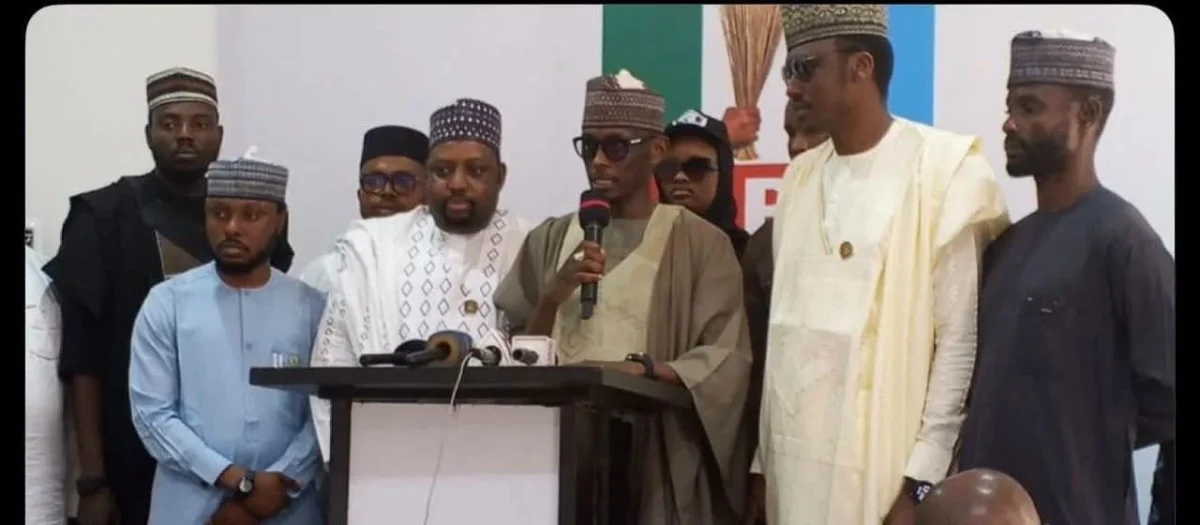
MaTaZ ArIsInGDallas, Texas Abba Atiku Abubakar, son of former Vice-President Atiku Abubakar, has pledged 10 buses to support mobilisation for President Bola Tinubu’s re-election campaign ahead of the 2027 general elections. Abba made the pledge during a visit to the All Progressives Congress National Secretariat in Abuja on Friday, according to a statement issued by…
-
2027: Don’t be deceived, vote for Tinubu, South-East govs tell Igbos
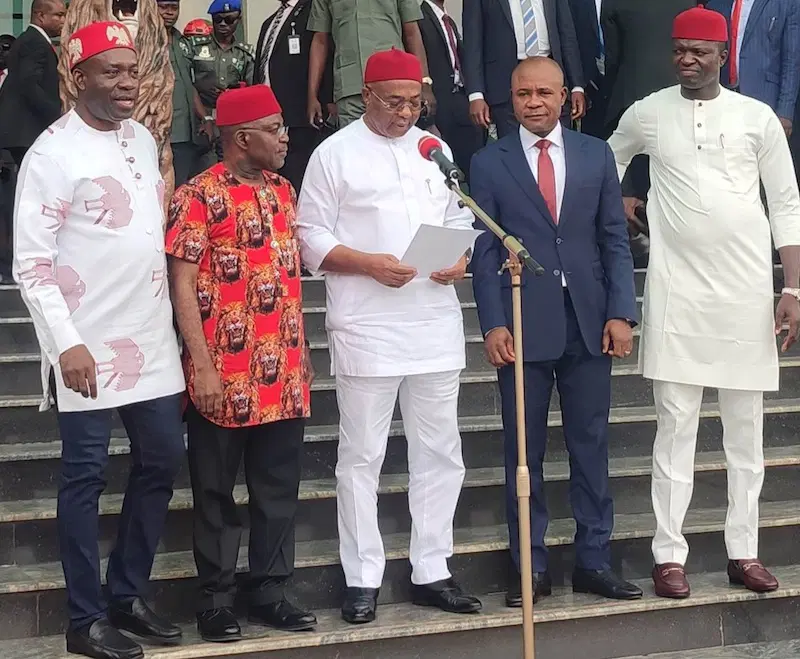
MaTaZ ArIsInGDallas, Texas Governors of Anambra, Ebonyi, Enugu and Imo States have urged the people not to be deceived by political distractions but to vote massively for President Bola Tinubu in the 2027 presidential election. The governors made the call on Saturday during the All Progressives Congress (APC) Women Mega Rally and Empowerment Programme for…