

The Group Chief Executive Officer of the Nigerian National Petroleum Company Limited (NNPC Ltd), Bayo Ojulari, has described the shutdown of Nigeria’s state-owned refineries as a necessary step to end what he called decades of self-deception in the country’s downstream oil sector.
Speaking at the Nigeria International Energy Summit (NIES), Ojulari said Nigeria had spent far too long pretending that its refineries were functional, even as they consistently failed to deliver value.
“For years, we told ourselves stories,” Ojulari said. “But the numbers never supported those stories.”
Nigeria’s four government-owned refineries, with a combined installed capacity of 445,000 barrels per day, have rarely operated anywhere near capacity. Yet successive administrations continued to budget for their rehabilitation, often without demanding measurable outcomes.
Ojulari said the internal review conducted by NNPC revealed that refinery operations had become a ritual rather than a business.
“We were running processes, not enterprises,” he said. “Money was going out, but value was not coming in.”
According to Ojulari, the decision to shut down the refineries was not taken lightly, given their symbolic importance.
“These refineries mean a lot to Nigerians emotionally,” he said. “But emotion cannot replace truth.”
Nigeria’s refineries operated efficiently through the 1980s and much of the 1990s, but performance declined in the 2000s as institutional focus shifted away from operational excellence toward EPC contracting, O&M structures, and financing-driven interventions.
This transition weakened preventive maintenance culture, increased reliance on turnaround maintenance cycles that proved more commercially attractive to external parties, and contributed to the gradual erosion of in-house operational capacity within NNPC.
Between 2010 and 2023, Nigeria reportedly spent more than ₦11 trillion on refinery repairs. Despite this, fuel imports continued to dominate the domestic market, placing pressure on foreign exchange reserves and undermining energy security.
Ojulari said continuing along that path would have been irresponsible.
“At some point, leadership requires honesty,” he said. “We had to admit that this system was not working.”
He added that the shutdown allows NNPC to confront reality without the distraction of ongoing losses.
“You cannot fix a problem you refuse to acknowledge,” Ojulari said.
The NNPC boss also credited the Dangote Refinery with creating the space for reform.
“Whether you love Dangote or not, thank God it is working,” he said. “It allows us to stop pretending.”
Ojulari said NNPC is now focused on restructuring the refineries with credible partners.
“We are not interested in cosmetics,” he said. “We want real change.”
According to him, the shutdown represents a moral as much as an economic decision.
“This is how nations grow: by telling themselves the truth,” Ojulari maintained.

1SUBSCRIBE TO OUR NEWSLETTER NOW
Support MATAZ ARISING’ journalism of integrity and credibility.
Good journalism ensure the possibility of a good society, an accountable democracy, and a transparent government.
We ask you to consider making a modest support to this noble endeavour.
TEXT AD: To advertise here – Email ad@matazarising.com
LATEST POSTS
-
Dangote’s Industrial Strategy: Refining, Fertiliser and Energy Infrastructure

Aliko Dangote
-
2027: Wike draws fresh battle lines with APC govs
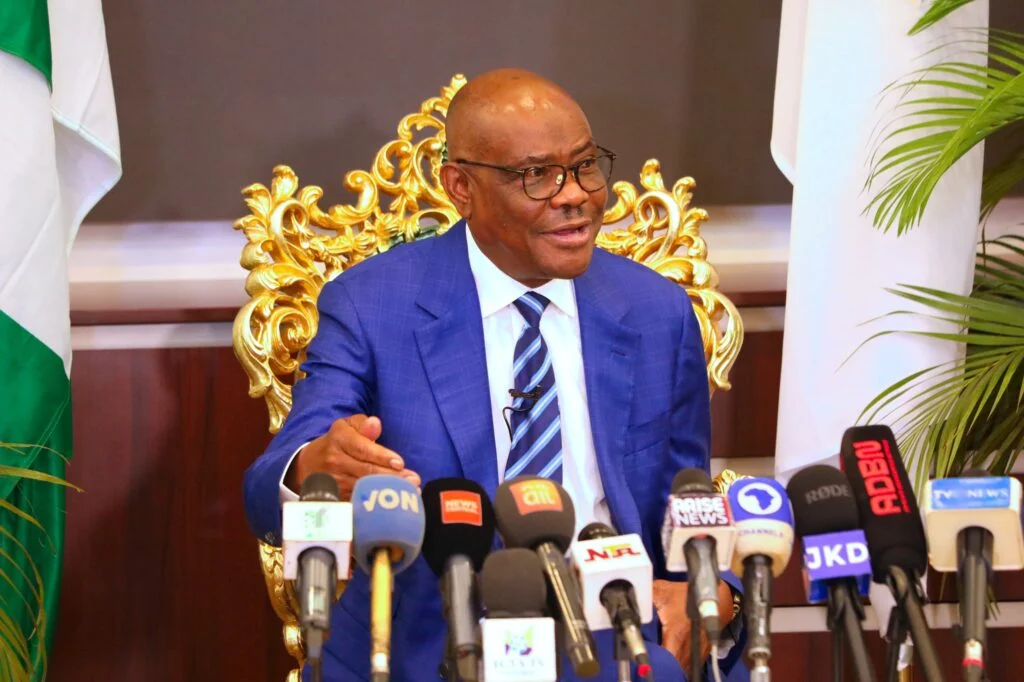
MaTaZ ArIsInGDallas, Texas The Minister of the Federal Capital Territory, Nyesom Wike, on Monday dismissed concerns by some governors of the All Progressives Congress that the proposed Rainbow Coalition could undermine the ruling party ahead of the 2027 elections. Speaking on TVC’s Journalists’ Hangout, Wike said the coalition was primarily aimed at mobilising support for…
-
Police arrest 251 terrorists, 343 others, rescue 1,066 kidnap victims in seven months
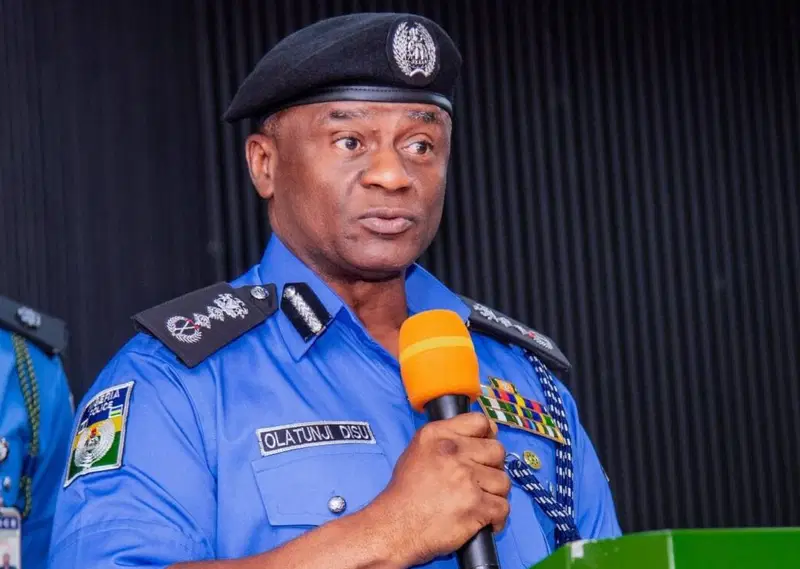
MaTaZ ArIsInGDallas, Texas Inspector-General of Police, IGP Olatunji Rilwan Disu, has disclosed that the Nigeria Police Force arrested 251 terrorists and suspected bandits and 343 murder suspects between February and September 2026. Disu made this known on Monday while declaring open the 2026 Conference and Retreat for Senior Police Officers (CARSPO) in Owerri, Imo State.…