By Idowu Ephraim Faleye
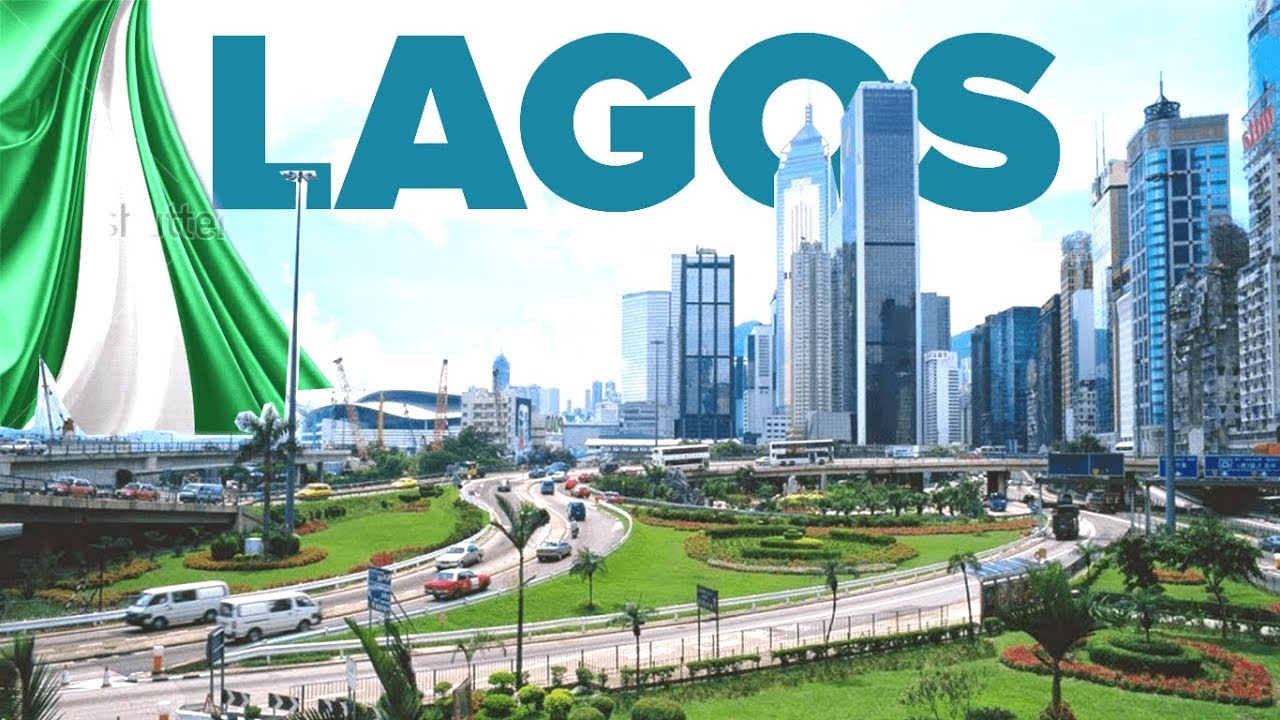
The argument about who developed Lagos has become loud, emotional, and often dishonest. It is repeated everywhere, from casual conversations to serious debates, yet very few people pause to ask the most important question first: what does development truly mean? Until this question is answered honestly, every claim about who built Lagos will remain shallow and misleading.
Development is not a feeling or a personal claim. It is not something you declare because you live somewhere or make money there. Development is practical and visible. It is measured by planning and long-term impact. Most importantly, development starts with infrastructure, not private buildings. Roads, drainage, electricity, water, healthcare, security, and waste management are the foundation of any city. Without them, no serious city can exist.
People do not build houses in places with no roads. They do not invest where there is no electricity or drainage. They do not move their families to areas that flood every time it rains or have no hospital nearby. This is common sense. Infrastructure attracts people. It makes land valuable. It turns empty land into communities. Houses and businesses come later.
This is where many claims about the Igbos developing Lagos collapse. Building houses in areas where infrastructure already exists is not development. It is benefiting from development. It means someone else created the conditions that made your investment possible. You did not build the road. You did not construct the drainage. You did not channel floodwater. You did not provide electricity or hospitals. You only took advantage of what was already there.
Lagos did not grow by accident. Over the years, the government of Lagos State invested heavily in infrastructure. Roads were built and expanded. Drainage systems were constructed to manage flooding. Bridges connected communities. Water systems were extended. Public hospitals were built and upgraded. Traffic systems were introduced. Entire areas were reclaimed and redesigned. These projects required planning, expertise, political will, and massive public funds.
Yet, despite this clear reality, some Igbo people boldly claim they developed Lagos simply because they built houses or ran businesses there. This claim ignores the obvious truth that without government-provided infrastructure, none of those private investments would have happened. Development comes first. Private building follows.
Another common claim is that Igbo ethnic groups boosted the Lagos economy. Commerce does play a role in any economy. Buying and selling create movement of goods and provide income. However, trade alone does not build a strong economy. Trading mostly redistributes wealth; it does not create it. Real economic strength comes from production, manufacturing, innovation, and value addition.
An economy driven mainly by buying and selling imported goods becomes weak. It depends on foreign producers. It creates fewer skilled jobs. It adds little value locally. It also puts pressure on infrastructure without strengthening it. This is basic economics.
The situation becomes more serious when trading is linked to substandard and adulterated products. Over the years, Lagos has struggled with fake drugs, substandard building materials, adulterated consumables, and low-quality imports. These practices damage the economy. They undermine genuine producers. They endanger public health. They reduce trust in the market.
In the 1980s and 1990s, Lagos had many local industries. Small factories produced clothing, household items, food products, and other goods. Many of these industries collapsed over time as a result of unfair competition from cheap and fake imports. When quality producers cannot compete with inferior goods flooding the market, productivity suffers, jobs are lost, and skills disappear.
This is not about attacking any tribe. It is about being honest. Economic contribution is not measured by how busy markets are. It is measured by value creation, job quality, and long-term stability. When trading activities weaken local production instead of strengthening it, the overall impact becomes negative.
So when Igbos claim they are the backbone of Lagos’ economy, it is fair to ask questions. Where are the factories? Where are the production hubs? Where are the industrial estates built without government support? Where are the privately created power systems, water systems, or transport networks that opened new areas of the state? These are the real drivers of development.
If anyone wants to truly claim development, the standard is clear. Instead of building on waterways in existing crowded areas, go to undeveloped areas. Build roads. Bring electricity. Channel floodwater. Provide access to healthcare. Open the land. After doing this, build houses and businesses. That is development. That is how cities expand.
This is exactly what the Lagos State Government has done repeatedly. Areas that were once swamps, slums, or forgotten outskirts were transformed through deliberate planning and heavy investment. In some cases, land was reclaimed from water. In others, entire road networks were built where none existed. These projects were risky and expensive, but they laid the foundation for growth.
Private individuals later moved into these areas and built homes and businesses. That is normal. That is how cities work. But benefiting from development is not the same as creating it.
Gratitude matters. Acknowledging the role of government does not reduce anyone’s effort. It simply places things in their proper order. Lagos created opportunities through infrastructure and policy. People came, worked hard, traded, built houses, and raised families. That is coexistence, not ownership.
No one is saying people should not be proud of their success. Hard work deserves respect. But pride should not turn into distortion of facts. Lagos did not become what it is today because of Igbo traders alone. It became what it is because government invested public resources to keep the city functional under extreme pressure.
Lagos carries a heavy burden. Overpopulation strains roads, housing, and services. Flooding remains a challenge. Traffic is frustrating. Yet the state continues to expand infrastructure to meet growing demand. This effort deserves recognition, not denial.
The discussion should move from loud claims to honest reflection. Development is not about who shouts the most. It is about who laid the foundation. It is about who took risks when there was nothing. It is about vision and planning, not just profit.
The truth is simple. Lagos was built through infrastructure-driven governance. Private individuals built on what already existed. Accepting this fact does not divide us. It encourages honesty, responsibility, and appreciation. And in the end, enjoying a city is not the same thing as building it.
Idowu Ephraim Faleye is a data analyst and freelance writer, and the publisher of EphraimHill DataBlog, a platform dedicated to political analysis, public insights, and public policy commentary.
©️ 2026 EphraimHill DataBlog

1SUBSCRIBE TO OUR NEWSLETTER NOW
Support MATAZ ARISING’ journalism of integrity and credibility.
Good journalism ensure the possibility of a good society, an accountable democracy, and a transparent government.
We ask you to consider making a modest support to this noble endeavour.
TEXT AD: To advertise here – Email ad@matazarising.com
LATEST POSTS
-
Tinubu’s 90-day relief plan a scam to bait voters — ADC campaign

MaTaZ ArIsInGDallas, Texas By Luminous Jannamike The African Democratic Congress (ADC) Presidential Campaign Council has accused President Bola Tinubu of using his 90-day cost-of-living relief plan to bait voters ahead of the 2027 presidential election, arguing that the programme’s deadline falls after Nigerians would have voted. Phrank Shaibu, Director of Strategic Communication of the ADC…
-
90-Day Action Plan To Ease Cost Of Living For Nigerians
MaTaZ ArIsInGDallas, Texas .Reviews Ebola response, tasks states on preparedness The National Economic Council (NEC) on Thursday Rose from its monthly meeting and endorsed a 90-day economic action plan proposed by the Federal Ministry of Finance to consolidate gains from President Bola Tinubu’s economic reforms. The plan focuses on reducing the cost of living, improving…
-
He Started It, Came To My Site To Castigate Me’ — Umahi Blows Hot At Peter Obi
MaTaZ ArIsInGDallas, Texas The Minister of Works, David Umahi, has accused Peter Obi, presidential candidate of the Nigeria Democratic Congress (NDC), of initiating their confrontation over the Lagos-Calabar Coastal Highway project. Umahi said he did not attack the former Anambra State governor but was responding to criticism Obi allegedly directed at him during a visit…