
Emmanuel Salawu
L-R: Prof. Carolina Morais, CBN Gov. Yemi Cardoso, Gabriel da Cruz; and Prof. Soyinka at the Brasilia Legislative Chambers.
President Lula da Silva and Professor Wole Soyinka in an iconic embrace of touching of heads to symbolise sharing of grace, wisdom and solidarity.

The scene could have been lifted straight from history’s great encounters between leaders of nations and sages of the ages. But this was not myth, it happened in the quiet halls of the Palácio da Alvorada, Brazil’s seat of power.
Professor Wole Soyinka, Nobel Laureate, nonagenarian, writer, activist, and elder of Africa’s conscience, had travelled an exhausting 36-hour trip from Lagos to Brasilia. His motivation was to advocate for a cause deeply woven into his spirit during the Nigerian President’s State visit to the South American country: The Heritage Voyage of Return, a transatlantic reconnection of Afro-descendants from Brazil, the Americas, and the Caribbean, back to Africa.
In a gesture that stunned observers alike during the official state lunch for the Nigerian President, President Tinubu rose immediately upon spotting the white-haired nonagenarian icon, beckoned to him, and offered his presidential seat to Soyinka. “Egbon, e wa joko si ibiyi.” The Commander in Chief yielded, meaning “elder one, please come and sit here.” And the older icon politely declined.
The gesture, a simple yet thunderous act of humility was a deeply symbolic acknowledgement of a man whose cultural and moral authority transcends office. Among those watching was President Luiz Inácio Lula da Silva of Brazil, the seasoned leader found himself in awe.
Later, at a private audience requested at the Palácio, he confessed to Professor Soyinka: “I could not stop thinking about the respect your President showed you when he offered you his presidential seat, I was fascinated. What an honour.”
His admiration only deepened upon learning of Soyinka’s age of 91: “At over 90, you came all this way for your people and for Africa. What greatness.”
Then came the moment that will linger in memory: President Lula, humble and reverent, requested Soyinka’s blessing. “The grace on you, I ask it upon myself,” he said as he leaned forward and gently touched his head to Soyinka’s cloud of signature white hair as though drawing from its wellspring of wisdom and strength. In that moment, words gave way to something older than politics, ritual, reverence, transference.
The photograph of the two men locked in a warm embrace of generations, cultures, and continents, captured an unspoken truth, that moral authority and ancestral wisdom can ennoble even the most powerful office. In Nigerian street parlance, it was as if the Brazilian president had whispered: “Prof, abeg cut soap for me.”
Soyinka, ever the satirist and teacher, on learning that President Lula had no university degree, responded with humour, gravitas, and dignity, that he has conferred upon President Lula, an “honorary doctorate from Nigeria’s premier universities.”
Laughter broke the solemnity, but the symbolism endured: for the millions of Afro-descendants still yearning for cultural reconnection, it was a covenant of bonding and honor between Brazil and Africa.
Professor Soyinka signing autograph for President Lula during the encounter, while Prof. Carolina Morais and Ajoyemi Osunleye of The African Pride look on.
Their dialogue turned to The Heritage Voyage of Return. Soyinka explained the vision: an oceanic homecoming for Afro-descendants. A voyage of triumph and healing, reconnecting the scattered children of Africa with their ancestral soil. Lula did not hesitate: “Brazil will support this.”
The encounter between President Lula and Professor Soyinka was more than diplomatic. It was spiritual. For President Lula who had left school in the second grade, and rose from the factory floor as a metalworker to the highest office in Brazil without a university degree; who has dedicated much of his presidency to democratizing education and uplifting Afro-Brazilians through affirmative policies, the encounter carried profound meaning.
His awe was not simply for Soyinka’s Nobel Prize or literary fame, but for a life lived in unwavering service to truth, justice, cultural pride, and humanity. In that intimate moment, one leaning forward, the other offering his mane of white, the Atlantic itself seemed to bend, bridging Brazil and Africa not just with policy, but with poetry, humility, solidarity, and hope.
Later the same day, the Heritage Voyage of Return was formally presented to Afro-Brazilian leaders and lawmakers at Brazil’s Legislative Chamber of the federal District Brasilia, during a historic session hosted by Gabriel Magno Pereira da Cruz, President of the Education and Culture Commission with Professor Soyinka, the Central Bank of Nigeria Governor, Olayemi Cardoso (representing President Bola Tinubu), and Abike Dabiri-Erewa, Chairman of the Nigerians in Diaspora Commission (NIDCOM), leading the Nigerian delegation.
The following day, President Bola Tinubu would reaffirm the Federal Government of Nigeria’s total support for the HVR during a townhall meeting with Nigerians and Afro-descendants in Brazil, describing the initiative as a crucial step in reconnecting Africa’s scattered sons and daughters, while strengthening Nigeria’s role as a spiritual, cultural, and economic hub for the diaspora.

1SUBSCRIBE TO OUR NEWSLETTER NOW
Support MATAZ ARISING’ journalism of integrity and credibility.
Good journalism ensure the possibility of a good society, an accountable democracy, and a transparent government.
We ask you to consider making a modest support to this noble endeavour.
TEXT AD: To advertise here – Email ad@matazarising.com
LATEST POSTS
-
2027: I’ll restore fuel subsidy if elected — Atiku
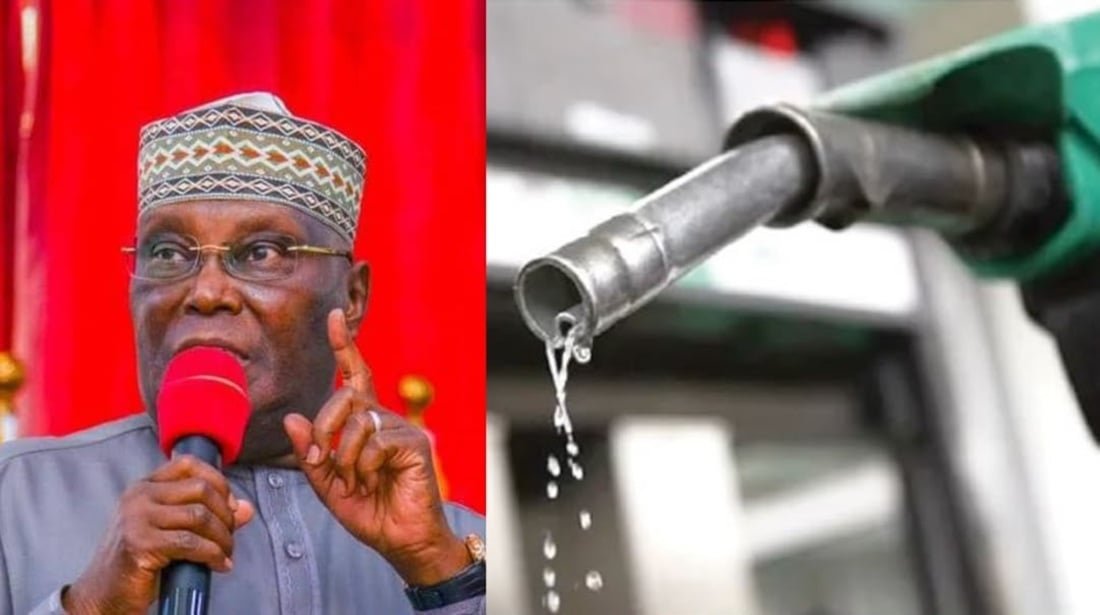
MaTaZ ArIsInGDallas, Texas Atiku Abubakar, the presidential candidate of the African Democratic Congress (ADC), has promised to restore the petrol subsidy if he wins the 2027 presidential election. Atiku made the pledge during an interview on Wednesday while questioning the use of funds he said were saved following the removal of the subsidy. He said…
-
2027: Why I chose to run with Obi — Kwankwaso

MaTaZ ArIsInGDallas, Texas Former Kano State governor, Rabiu Kwankwaso, has explained his decision to run on the same presidential ticket with Peter Obi ahead of the 2027 general elections, saying their partnership is driven by the need for a different approach to governance. Kwankwaso, who is seeking the vice-presidential ticket alongside Obi on the platform…
-
Nigeria’s federal government moves to decriminalise attempted suicide
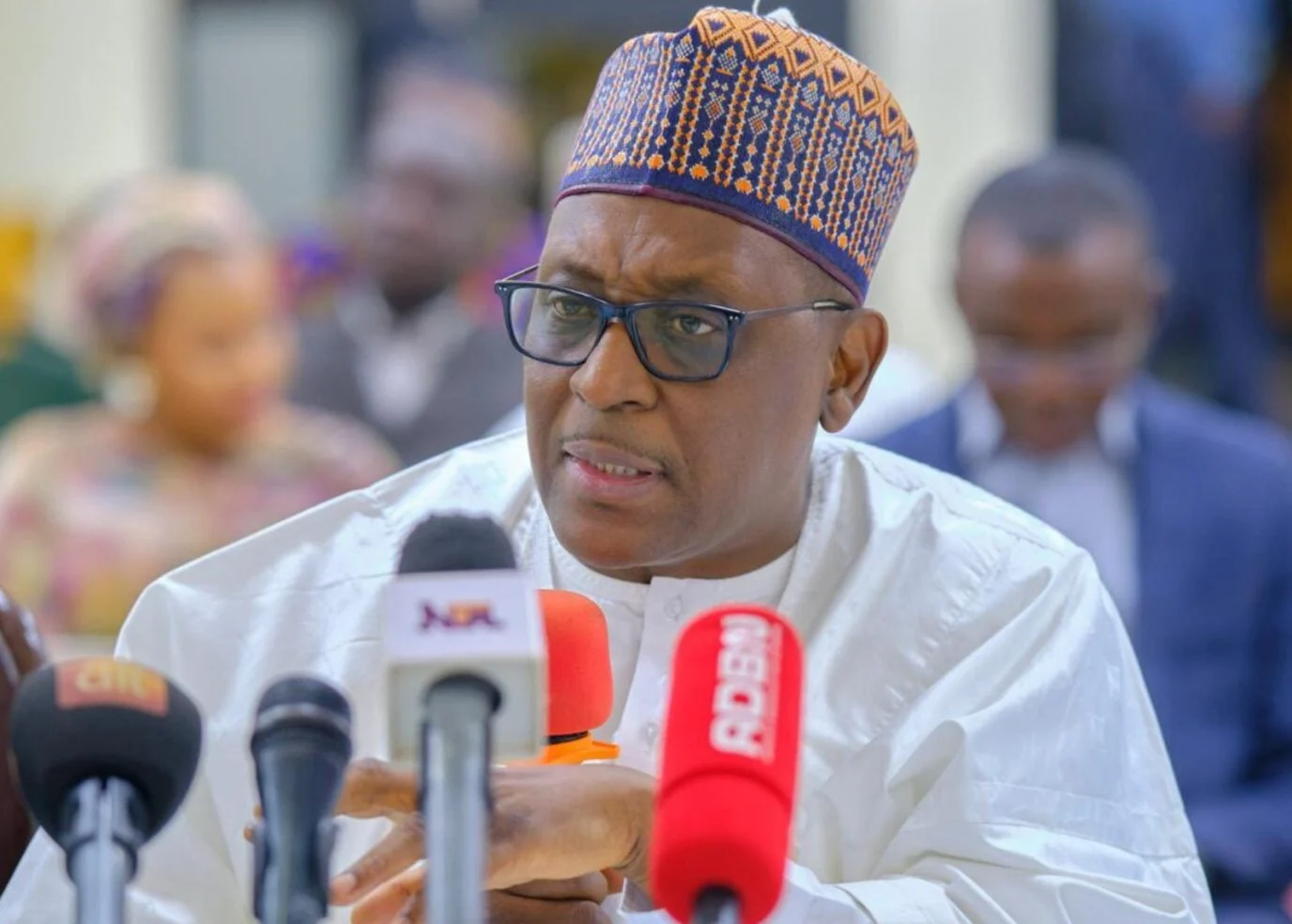
MaTaZ ArIsInGDallas, Texas In Nigeria, where mental health issues remain largely stigmatised, the federal government has plans to decriminalise attempted suicides. Trying to take one’s life is currently punishable by up to one year in prison under the colonial-era Criminal Code, while the Penal Code provides for up to a year in jail, a fine,…


