

By Samuel Ncube
NIGERIA · ECONOMY
Key Facts
—15-month high: Nigeria’s crude output reached about 1.53 million barrels a day in May 2026, a 15-month high.
—Above quota: That is roughly 102 percent of its 1.5 million-barrel OPEC quota, the first time it cleared the cap this year.
—With condensate: Adding condensate lifts total output to about 1.70 million barrels a day.
—Steady climb: Production rose from 1.48 million barrels in February to 1.70 million in May.
—The driver: Better pipeline security and fewer outages, not new fields, lie behind the gain.
—Still short: Output remains well below the government’s 2.6 million-barrel target for 2026.
Nigeria oil production reached a 15-month high in May 2026, topping the country’s OPEC quota for the first time this year as steadier pipelines lifted output to about 1.7 million barrels a day.
An offshore oil rig; Nigeria’s crude output reached a 15-month high in May 2026. (Photo: XEON, CC BY 3.0, via Wikimedia Commons)RTAsk Rio TimesMarkets, currencies and the economy›
A closer look at Nigeria oil production
Nigeria pumped an average of about 1.53 million barrels of crude a day in May, according to its petroleum regulator. That was its highest crude output in 15 months.
The figure sits at roughly 102 percent of the 1.5 million-barrel quota set by OPEC. Adding condensate, a light liquid produced with gas, lifts the total to about 1.70 million barrels a day.
The gain was the latest step in a steady climb. Combined output rose from 1.48 million barrels in February to 1.54 million in March, then 1.66 million in April.
The climb has been gradual but consistent. Each month this year has edged higher than the last, a pattern Abuja is keen to sustain.
The regulator publishes the figures monthly, which lends them weight. Markets and the government both track the trend closely.
Why output is rising
The recovery owes more to security than to geology. Operations ran through the month with no major pipeline or facility outages.
For years, oil theft and sabotage in the Niger Delta crippled production and scared off investment. Tighter surveillance of the pipelines has begun to reverse that.
The result is reliability rather than a new boom. Nigeria is finally producing closer to what its existing fields can deliver.
Government-backed security contracts have played a part. Former militants and private firms now help guard the creeks and pipelines of the Delta.
Why it matters for the budget
Oil still underpins the Nigerian state. It generates about two-thirds of government revenue and more than 80 percent of foreign-currency earnings.
Every extra barrel therefore eases real pressures. Higher output means more dollars to defend the naira and fund a strained budget.
It also lifts confidence. Steady production is the kind of signal that foreign investors watch before committing fresh money.
The timing helps. Nigeria has battled high inflation and a weak naira, and oil dollars are among its few reliable cushions.
Still far from target
The good news comes with a caveat. Nigeria remains well short of the 2.6 million barrels a day its government set as a goal for 2026.
That gap reflects years of decline. Ageing fields, underinvestment and theft pushed output far below the country’s potential.
Closing it will take more than security. New drilling and investment are needed to push beyond the current ceiling.
Investors have grown cautious. Oil majors have sold ageing onshore assets to local firms and shifted focus offshore, slowing the flow of new money.
The OPEC tightrope
Exceeding its quota puts Nigeria in an awkward spot. OPEC and its partners manage output to support prices, and members are meant to stay within agreed limits.
For now, the breach is modest and welcome at home. Higher production matters more to Abuja than a slightly larger share of a cartel ceiling.
The balance could shift if prices fall. Then the pressure to rein in supply would test Nigeria’s resolve.
Nigeria has long argued its quota is too low. Officials say the country should be allowed to pump more to fund its development.
Compliance is uneven across the group anyway. Several members quietly produce above their quotas when they can.
What to watch
The first question is durability. Sustaining output above quota through the year would prove the security gains are real.
Demand at home is the second. Nigeria’s giant Dangote refinery now buys local crude, keeping more value inside the country.
For our readers, the story is a familiar one of potential held back by reliability. The fix is less about new oil than about protecting the oil already flowing.
Theft has not vanished, only eased. A return of large-scale tapping would quickly erode the recent gains.
The bigger picture
Oil is no longer the whole story. Nigeria is pushing gas, agriculture and technology to diversify an economy too exposed to crude swings.
Refining at home compounds the benefit. Fuel processed inside Nigeria saves the scarce dollars once spent importing petrol.
Even so, the barrel still rules the budget. Until that changes, months like May will shape the country’s finances more than any policy speech.
Frequently asked questions
How much oil is Nigeria producing?
Nigeria produced about 1.53 million barrels of crude a day in May 2026, a 15-month high. With condensate, total output reached roughly 1.70 million barrels a day.
Did Nigeria exceed its OPEC quota?
Yes. May output was about 102 percent of its 1.5 million-barrel OPEC quota, the first time the country cleared the cap in 2026.
Why is production rising?
Improved pipeline security and the absence of major outages, rather than new oil fields, drove the increase. Years of theft and sabotage had held output down.
Is Nigeria meeting its own target?
No. Production remains well below the government’s goal of 2.6 million barrels a day for 2026, which would require new drilling and investment.

1SUBSCRIBE TO OUR NEWSLETTER NOW
Support MATAZ ARISING’ journalism of integrity and credibility.
Good journalism ensure the possibility of a good society, an accountable democracy, and a transparent government.
We ask you to consider making a modest support to this noble endeavour.
TEXT AD: To advertise here – Email ad@matazarising.com
LATEST POSTS
-
Lagos moves to phase danfo into franchise bus system
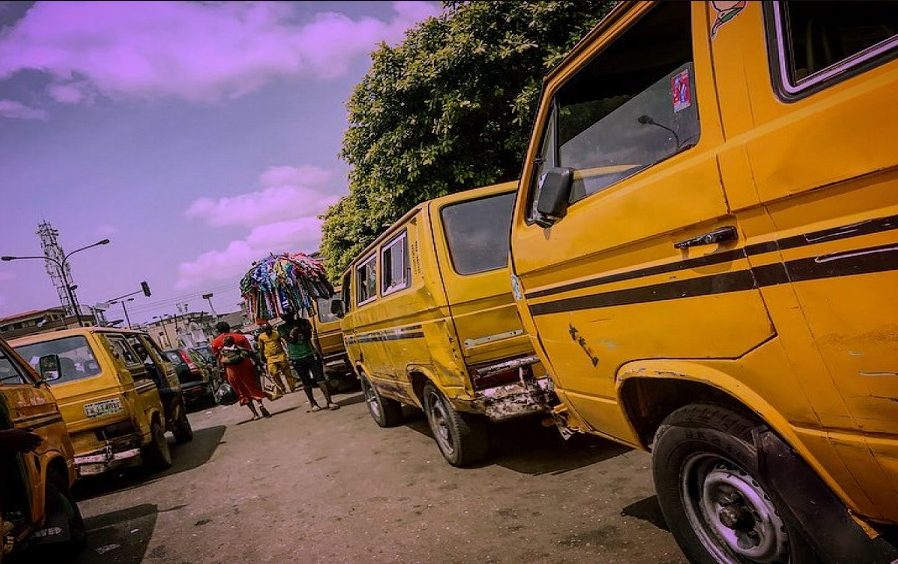
MaTaZ ArIsInGDallas, Texas The Lagos State Government, the Nigeria Union of Road Transport Workers (NURTW), and the Road Transport Employers Association of Nigeria (RTEAN) have signed a Memorandum of Understanding (MoU) to transition danfo operators into a regulated public transport system under the state’s Bus Industry Transition Programme (BITP). The development was disclosed in a…
-
‘I’m embarrassed by timing of EFCC action on Osun govt account – Tinubu

MaTaZ ArIsInGDallas, Texas President Bola Tinubu has said he finds the timing of the Economic and Financial Crimes Commission, EFCC’s action on Osun state bank account embarrassing. According to President Tinubu, he was yet to be fully apprised of the facts that informed EFCC’s action, but “I feel compelled to intervene”. In a statement on…
-
State Police: We’ve studied India, America, Pakistan’s models – IGP Disu

MaTaZ ArIsInGDallas, Texas The Inspector-General of Police, IGP, Olatunji Disu, has disclosed that the committee that developed the framework for the proposed state police system studied India, the United States of America and Pakistan’s models before submitting its recommendations. Also, IGP Disu urged police personnel to take an active role in shaping the national conversation…