
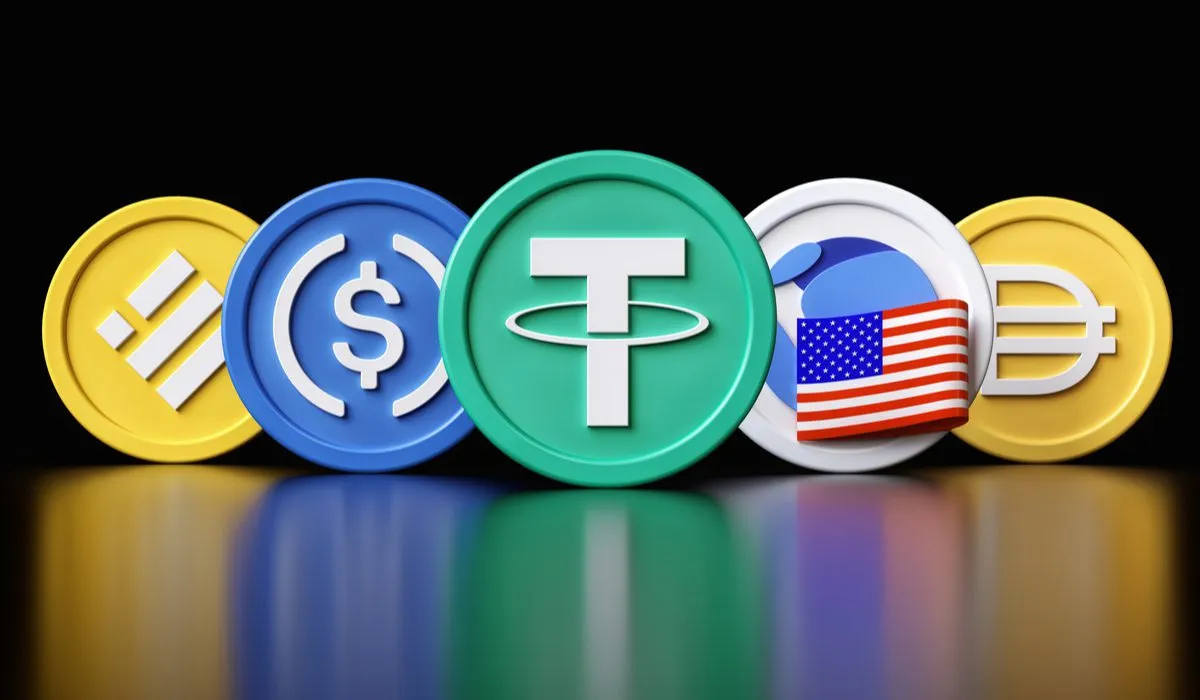
The crypto market adoption and use in Nigeria is driven overwhelmingly by utility, rather than speculation:
Dollar-pegged stablecoins, especially USDT and increasing adoption of USDC, are used widely as a mechanism to hold working capital, as a means of savings, and for peer-to-peer transactions.
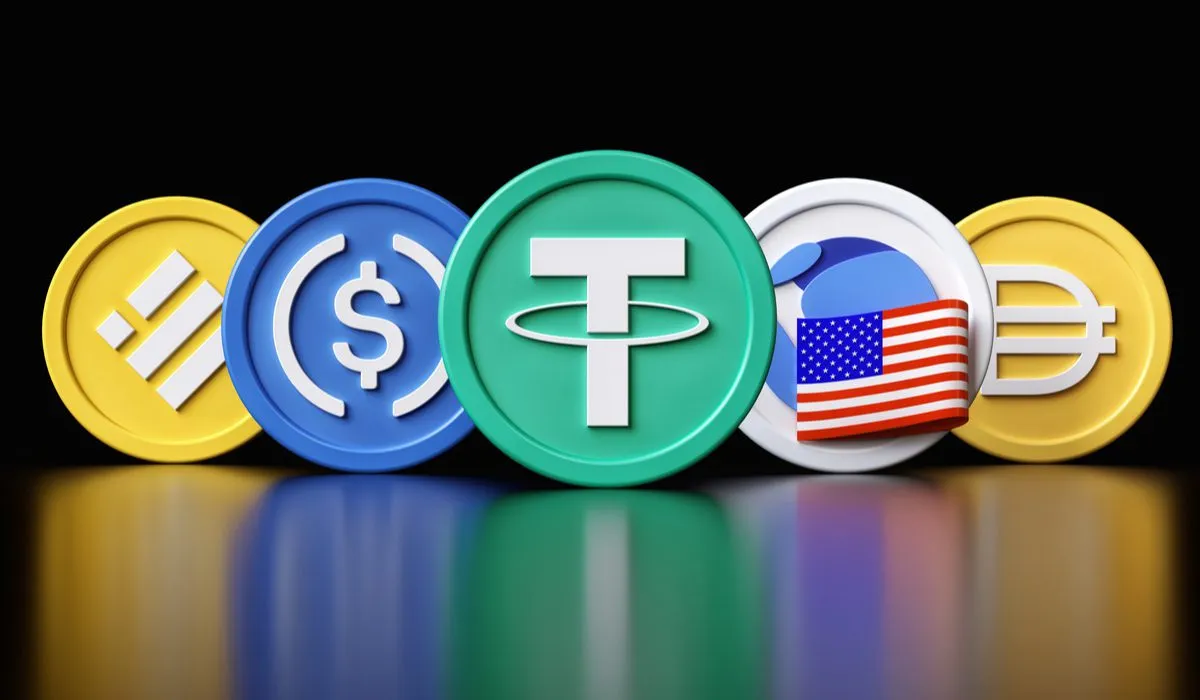
The American dollar and dollar-pegged stablecoins present as the optimal route to storing economic value for the everyday Nigerian that has historically and conventionally been subject to depreciation pressures on their fiat value. These USD coins dominate the day-to-day transactional volume of most Nigerians.
The USDT, USDC are adopted to shelter their money from inflation, receive remote income from online work, and facilitate payments within Nigeria and offshore.
In addition, local fintech consortia and blockchain groups keep experimenting with and evaluating Naira-pegged stablecoins (like cNGN) for efficient, lower settlement frictions in the domestic arena but still within the bounds of compliance regulation as it relates to the CBN.
Nigeria amassed $92.7 billion on chain in the span of a year to become and remain by a distance, the crypto giant in Sub-Saharan Africa, based on the global figures released by Chainalysis.
Retail Transactions – Inbound and out – transactions at the retail level were put at $57 billion, of which nearly all came in from out of the country in exchange for goods and/or services. (An estimated 26.3 million Nigerians, the equivalent of nearly 25 per cent of the adult populace, hold and transact with digital assets regularly.
Nigerian government wants a pie in Nigeria’s crypto revenue
The Nigerian government has shifted its stance of prohibitions or ‘grey zone’ into a solid ‘Regulate, License and Tax’ system.
President Bola Tinubu signed an executive order establishing the Virtual Asset Council (VAC), which is led by the Central Bank of Nigeria (CBN), along with the Securities and Exchange Commission (SEC) and the Nigeria Revenue Service (NRS).
They will implement laws and procedures that will regulate the virtual asset space and curb the illegitimate use of virtual assets in the country, ensuring the crypto platforms operating in Nigeria adhere to them.
The FG had to realize that going after a million small individual P2P traders wasn’t an easy path. By forcing compliance on the exchange and VASP’s, they would receive licensing fees, income taxes, and transaction reports from either global or local companies doing business locally.
The SEC requires all crypto exchanges (trading and custody) to be VASP-licensed. The P2Ps and local exchanges (e.g. Quidax, Busha under the ARIP initiative) require all users to provide a Bank Verification Number (BVN) and submit required documentation, making KYC compulsory.
Capital gains tax should be applied to gains made on trades and disposals of digital assets with the new tax acts. Nigeria consistently ranks among the highest globally for P2P volume.
Although the likes of Binance, Bybit and OKX are still deeply integrated for trading, locals encounter more challenges with tighter know-your-customer (“KYC”) compliance on most local off-ramps.
The Nigerian cryptocurrency landscape appears to be increasingly mature, albeit moving away from over the counter (“OTC”) transactions that characterize its formative stages towards an officially registered and taxable financial economy.
Stablecoins have moved from an alternative investment to being an essential part of core financial systems. Thus, rather than battle what can hardly be battled, today’s government policy is focusing more on the setting up of regulatory regimes whereby digital asset liquidity can be taxed, controlled, and fully integrated into the current financial regime.

1SUBSCRIBE TO OUR NEWSLETTER NOW
Support MATAZ ARISING’ journalism of integrity and credibility.
Good journalism ensure the possibility of a good society, an accountable democracy, and a transparent government.
We ask you to consider making a modest support to this noble endeavour.
TEXT AD: To advertise here – Email ad@matazarising.com
LATEST POSTS
-
Re-elect my husband, I want to enjoy Nigeria at old age — Remi Tinubu
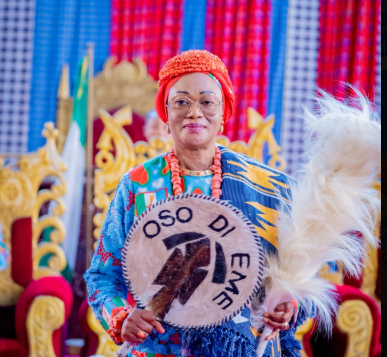
MaTaZ ArIsInGDallas, Texas First Lady empowers 2,500 Imo women, adds N100,000 cash to beneficiaries OWERRI — First Lady of Nigeria, Senator Oluremi Tinubu, has appealed to voters in the South-East to support the re-election of her husband, President Bola Ahmed Tinubu, in the 2027 presidential election. The First Lady said she wanted to enjoy a…
-
‘We stand with him even beyond 2027’ — Charismatic bishops endorse Tinubu
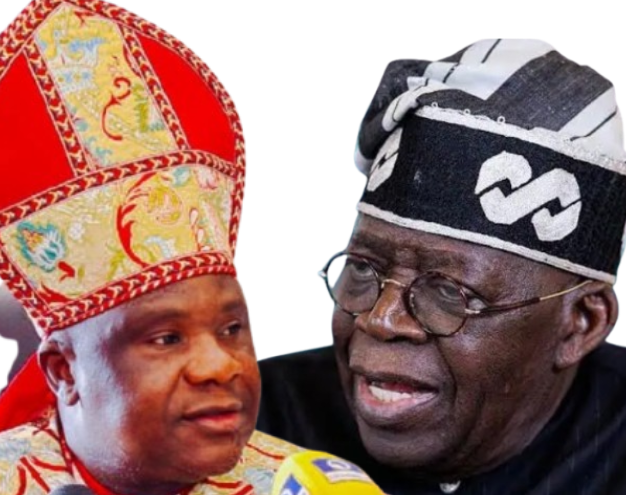
MaTaZ ArIsInGDallas, Texas By Ayobami Okerinde The Charismatic Bishops Conference of Nigeria (CBCN) has endorsed President Bola Tinubu for re-election in the 2027 presidential election. President-General of the conference, Archbishop Leonard Bature Kawas, announced the endorsement on Wednesday while speaking at the organisation’s 2026 synod. Kawas said the group’s decision was based on its assessment…
-
Shake-up: Army redeploys senior generals

MaTaZ ArIsInGDallas, Texas The Chief of Army Staff, Lt Gen Waidi Shaibu, has approved the redeployment of senior officers to key command, operational and staff appointments across the Nigerian Army. This, according to the service, was part of efforts to strengthen operational effectiveness and align the Service’s leadership structure with the country’s evolving security challenges.…