
The United Arab Emirates has announced it is withdrawing from OPEC and the broader OPEC+, delivering a significant setback to the oil-producing bloc and its de facto leader, Saudi Arabia, at a time when the ongoing Iran war has triggered a major global energy shock.
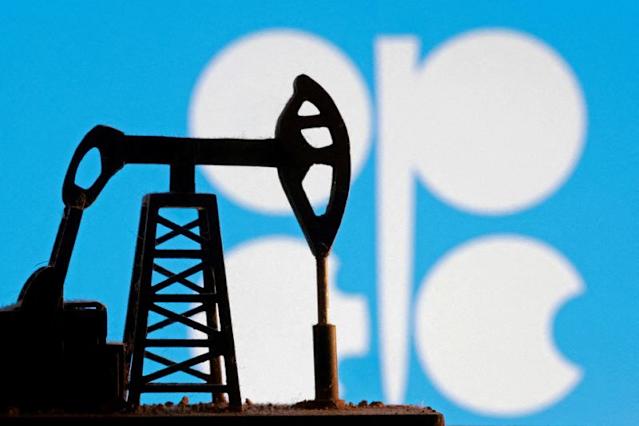
The departure of the UAE, a longstanding member of OPEC, is expected to create uncertainty within the group, which has traditionally maintained a united front despite internal disagreements over geopolitics and production quotas.
UAE Energy Minister Suhail Mohamed al-Mazrouei told Reuters the decision followed a strategic review of the country’s energy direction.
“This is a policy decision, it has been done after a careful look at current and future policies related to level of production,” said the energy minister.
When asked whether the UAE consulted with Saudi Arabia, he said the country did not raise the issue with any other nation.
The decision comes amid mounting tensions in the Strait of Hormuz, where Gulf producers have struggled to move exports due to Iranian threats and attacks on vessels. The strategic waterway typically handles about a fifth of the world’s crude oil and liquefied natural gas shipments.
Mazrouei downplayed the immediate market impact, citing the already volatile situation in the strait.
However, the move is seen as a geopolitical win for Donald Trump, who has repeatedly criticised OPEC for inflating oil prices.
Trump has also tied U.S. military support for Gulf nations to oil pricing, arguing that while the U.S. provides security, OPEC members “exploit this by imposing high oil prices”.
The UAE’s exit also follows growing frustration with regional allies during the conflict with Iran. The country, a major business hub and key U.S. partner, had criticised fellow Arab states for what it sees as inadequate support in the face of repeated Iranian attacks.
Anwar Gargash, diplomatic adviser to the UAE president, voiced those concerns during a session at the Gulf Influencers Forum.
“The Gulf Cooperation Council countries supported each other logistically, but politically and militarily, I think their position has been the weakest historically,” Gargash said.
“I expect this weak stance from the Arab League and I am not surprised by it, but I haven’t expected it from the (Gulf) Cooperation Council and I am surprised by it,” he added

1SUBSCRIBE TO OUR NEWSLETTER NOW
Support MATAZ ARISING’ journalism of integrity and credibility.
Good journalism ensure the possibility of a good society, an accountable democracy, and a transparent government.
We ask you to consider making a modest support to this noble endeavour.
TEXT AD: To advertise here – Email ad@matazarising.com
LATEST POSTS
-
Israel Donates First Batch Of Ambulances, Medical Equipment To Nigeria

MaTaZ ArIsInGDallas, Texas The gesture underscores the growing partnership between Nigeria and Israel in health, humanitarian aid, and technology transfer. Israel has donated the first batch of ambulances, medical equipment, and wheelchairs to Nigeria at the Port of Ashdod. The donation was made by Israel’s national emergency medical service, Magen David Adom on behalf of…
-
EFCC offers 5% reward for tips on stolen Nigerian assets abroad – Olukoyede

MaTaZ ArIsInGDallas, Texas The Chairman, Economic and Financial Crimes Commission, Ola Olukoyede, has offered whistleblowers between 2.5 per cent and 5 per cent of recovered stolen Nigerian assets for information leading to the recovery of such assets held abroad. Olukoyede disclosed this on Wednesday while delivering a lecture at the Cambridge International Symposium on Economic…
-
Obi disagrees with Atiku on fuel subsidy removal

MaTaZ ArIsInGDallas, Texas The Presidential candidate of the Nigerian Democratic Congress, NDC, Mr. Peter Obi, has disagreed with the presidential candidate of the African Democratic Congress, ADC, Alhaji Atiku Abubakar, over his proposed return of fuel subsidy if elected in 2027. Meanwhile, the presidential candidates of other opposition political parties, yesterday, clashed over Nigeria’s worsening…