
Olamilekan Okebiorun
The Nigerian government has signalled plans to publicly identify individuals and networks financing terrorism, as part of broader efforts to address extremism, banditry, and organized crime that increasingly threaten national and regional security.
Nigeria vows again to expose sponsors of terrorism as violence and foreign pressure intensify
- The Nigerian government plans to publicize the identities of individuals and networks financing terrorism to combat national and regional insecurity.
- Special Adviser Daniel Bwala emphasized the importance of exposing those funding extremist activities during a televised interview.
- Nigeria faces increasing violence, including kidnappings, banditry, and extremism, with over 20,000 deaths reported since 2020.
- U.S. President Donald Trump criticized Nigeria’s handling of religious violence, which the Nigerian government robustly refuted.
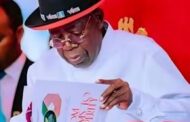
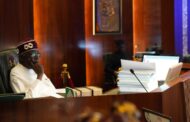
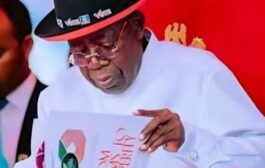
Daniel Bwala, Special Adviser to President Bola Tinubu on Policy Communication, said in a Sunday interview that the administration is taking “far-reaching decisions” to counter terrorist threats and will soon expose those funding and enabling extremist activities.
“The government is making decisive interventions. In the coming days, Nigerians will know who the terrorists are and those funding them,” Bwala said.
He emphasised that terrorism is a global menace that transcends borders, making regional and international collaboration essential. “Since 9/11, terrorism has been recognised as a global security issue. Any nation where extremists operate becomes a concern to the rest of the world,” he said, noting that international partners are increasingly aware of the need to support countries like Nigeria.
Second Disclosure Pledge This Year
Bwala’s remarks mark the second time this year that senior Nigerian officials have promised to expose terrorism financiers. In August, former Chief of Defence Staff General Musa made a similar pledge but cited legal and cross-border constraints.
“I think the process is on. It has to do with a lot of legal issues, and because again, it has to do with international connections. Some of them have funds coming from outside; we cannot do anything from within,” Musa said at the time.
Special Adviser Daniel Bwala emphasized the importance of exposing those funding extremist activities during a televised interview.
Rising Violence Across Nigeria
Nigeria, home to about 230 million people and nearly evenly split between Christians and Muslims, has faced persistent waves of violence in recent months across multiple states.
Since 2020, more than 20,000 people have been killed in attacks linked to terrorism, banditry and ethnic clashes, according to the Armed Conflict Location & Event Data Project (ACLED). Most incidents were not religiously motivated, though they have significantly heightened nationwide security concerns.
Extremist activity, once concentrated largely in the Middle East, has increasingly shifted towards the Sahel, creating new centres of instability across West and North Africa.
External Pressure and U.S. Threats
Notably, the new developments come in the wake of heightened international attention, particularly from U.S. President Donald Trump, who renewed threats against Nigeria via his Truth Social platform.
He accused the government of failing to protect Christians from violence and warned of “possible action” unless Nigeria “acts decisively,” adding that the Pentagon had been asked to prepare for a potential strike and that any intervention would be “guns-a-blazing.”
Nigeria’s government swiftly rejected the accusations, with President Bola Tinubu reaffirming his administration’s commitment to protecting people of all faiths. “Nigeria will continue to work with the United States and the international community to ensure religious freedom,” Tinubu said, noting that portrayals of Nigeria as religiously intolerant “do not reflect our national reality.”
A Coordinated Approach
Bwala stressed that Nigeria’s strategy targets not only the armed elements of extremist groups but also the financial and logistical networks that sustain them.
For the country and its neighbours, this underscores the importance of intelligence-led interventions, regional cooperation, and continued engagement with international partners to safeguard communities and stabilise the region.

1SUBSCRIBE TO OUR NEWSLETTER NOW
Support MATAZ ARISING’ journalism of integrity and credibility.
Good journalism ensure the possibility of a good society, an accountable democracy, and a transparent government.
We ask you to consider making a modest support to this noble endeavour.
TEXT AD: To advertise here – Email ad@matazarising.com
LATEST POSTS
-
Tinubu has approved N450bn for farmers – APC-PCC
MaTaZ ArIsInGDallas, Texas •Commits N1.5tr recapitalisation to BoA By Omeiza Ajayi ABUJA — The All Progressives Congress Presidential Campaign Council, APC-PCC, said, yesterday, President Bola Tinubu has approved a N1.5 trillion recapitalisation of the Bank of Agriculture, BoA, and committed N450 billion to agricultural financing programmes. The council said the commitment was meant “to strengthen…
-
2027: How we plan to present a common front — ADC, APM, NDC, SDP
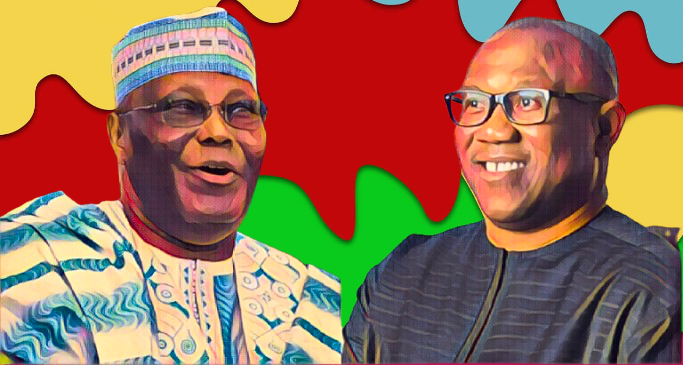
MaTaZ ArIsInGDallas, Texas By Dapo Akinrefon, Henry Umoru & Luminous Jannamike LAGOS — AHEAD of the 2027 general elections, major opposition parties have pledged to present a common front to wrest power from the All Progressives Congress, APC. The opposition parties that have indicated interest in the initiative include African Democratic Congress, ADC; Allied People’s…
-
Super Eagles Euro Roundup: Awoniyi, Usor impress as Iheanacho extends scoring streak
MaTaZ ArIsInGDallas, Texas By Ayomide John Nigerian stars shine for European clubs after a frustrating international break with the national team, writes Ayomide John Taiwo Awoniyi found the net for Coventry in their 3-2 victory over Crystal Palace to register his third league goal of the season. Meanwhile, Alex Iwobi and Calvin Bassey helped Fulham…