
•Proposes infrastructure expansion to unlock commercial demand
The federal government has begun discussions with electricity Distribution Companies (Discos) on plans to establish dedicated energy zones that will provide round-the-clock electricity supply to major demand centres, beginning with the Lagos axis, Abuja-Kaduna-Kano and Enugu-Port Harcourt corridors.
Emmanuel Addeh in Abuja
To this end, the Minister of Power, Joseph Tegbe, has held a strategic closed-door meeting with the leadership of selected electricity distribution companies and other industry players to work out the framework for implementing the proposed 24-hour power supply zones.
The government’s plan, it was learnt, is aimed at tackling one of the major constraints in the electricity market, which is the inability of the distribution end to take up and deliver available power to consumers, particularly in areas with significant commercial and industrial demand.
Tegbe, at the meeting, stressed that solving Nigeria’s electricity challenge required more than increasing generation and improving transmission infrastructure, arguing that the distribution segment must also be strengthened to ensure that available electricity reaches consumers.
According to him, the proposed energy zones would be designed to bridge that gap by concentrating investments and interventions in areas with high and growing electricity demand.
The zones are expected to unlock latent commercial and industrial demand while strengthening the revenue base and collection capacity of the participating distribution companies.
The minister also expressed the federal government’s commitment to expanding and strengthening electricity infrastructure in high-demand areas to ensure that supply capacity keeps pace with demand as the economy expands.
The initiative, he said, is expected to focus initially on three major economic corridors: the Lagos axis; the Abuja-Kaduna-Kano corridor; and the Enugu-Port Harcourt axis.
The areas are among the country’s major commercial and industrial centres, with substantial concentrations of businesses, manufacturers, government institutions and other large electricity consumers.
The discussions with the Discos are expected to form part of a sequenced approach by the ministry of power to address constraints across the electricity value chain, from generation and transmission to distribution and end-user demand.
The minister had, upon assuming office, pledged to pursue a disciplined approach to resolving the sector’s challenges, with emphasis on ensuring that interventions were sequenced according to the specific constraints affecting the electricity market.
The proposed energy zones represent an attempt to align infrastructure investment with actual and potential demand, while creating areas where electricity supply can be made more predictable for households, businesses and industries.
The government said it believes that reliable electricity in the targeted areas could also stimulate greater economic activity by allowing industries and businesses to plan their operations around a more dependable power supply.
The discussions, it was gathered, also examined the capacity of the participating Discos to take up additional electricity and deliver it to customers within the proposed zones, as well as the infrastructure required to support the initiative.
According to the minister, increasing generation without resolving constraints at the distribution end would not by itself translate into reliable electricity for consumers.
The meeting also advanced the electricity component of President Bola Tinubu’s Renewed Hope Agenda, which identifies reliable energy supply as a critical foundation for economic growth, industrialisation and job creation.
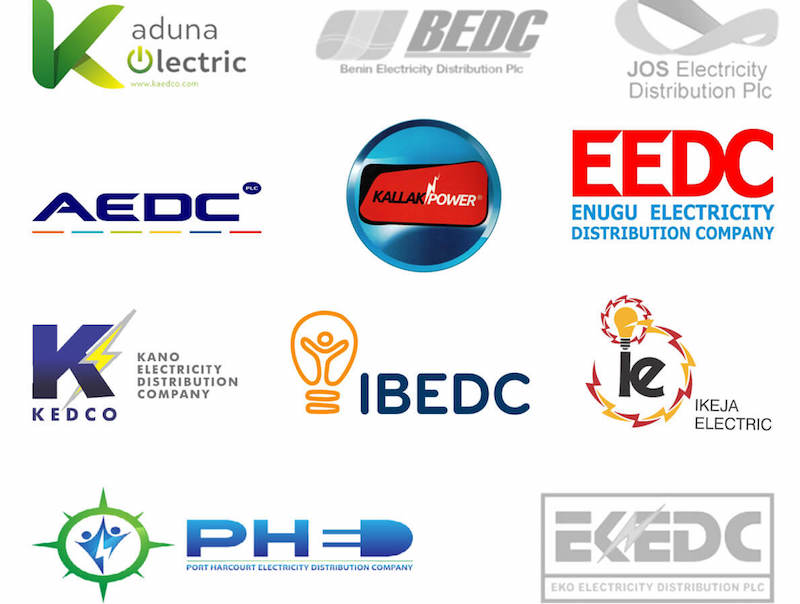
In attendance at the meeting were the leaderships of the Abuja Electricity Distribution Company (AEDC), Ikeja Electric, Eko Power, Ibadan Electricity Distribution Company (IBEDC) and Sahara Energy Group.
The government said it will continue with the consultations with the relevant stakeholders as it develops the proposed energy zones and determines the infrastructure and commercial arrangements required to make the 24-hour supply model operational.

1SUBSCRIBE TO OUR NEWSLETTER NOW
Support MATAZ ARISING’ journalism of integrity and credibility.
Good journalism ensure the possibility of a good society, an accountable democracy, and a transparent government.
We ask you to consider making a modest support to this noble endeavour.
TEXT AD: To advertise here – Email ad@matazarising.com
LATEST POSTS
-
Today, Nigeria is the worst place to be born — Peter Obi

MaTaZ ArIsInGDallas, Texas Presidential candidate of the Nigerian Democratic Congress (NDC), Peter Obi, has described Nigeria as “the worst place to be born,” accusing the All Progressives Congress (APC) government of failing to reverse the country’s worsening poverty, insecurity, unemployment and hunger. By Adegboyega Adeleye Obi made the declaration in his Independence Day message on…
-
Nigeria at 66: The Agriculture-Industrial Revolution We Need for Prosperity

By Idowu Ephraim Faleye +2348132100608 MaTaZ ArIsInGDallas, Texas Nigeria is 66 years old today as an independent nation. For 66 years, we have talked about our enormous potential, our natural resources, our large population, our fertile land and our strategic position in Africa. We have changed governments, written development plans, created institutions, borrowed money, discovered…
-
Nigeria@66: We can’t erase decades of hardship in four years — Tinubu

MaTaZ ArIsInGDallas, Texas President Bola Ahmed Tinubu has said his administration cannot erase in four years the hardship and economic challenges that accumulated in Nigeria over generations, but can change the country’s economic direction. Tinubu stated this in his Independence Day address to Nigerians on Thursday, marking Nigeria’s 66th anniversary of independence. The president acknowledged…