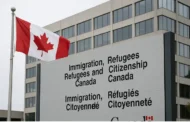

The United States is set to tighten its assessment of the public charge requirement for certain green card applicants from September 18, 2026, following updated guidance issued by the U.S. Citizenship and Immigration Services.

The updated guidance published on USCIS’ website and sighted by PUNCH Online on Wednesday explains how USCIS officers will determine whether an immigrant applying to adjust status to lawful permanent residence is likely at any time to become a public charge.
A public charge generally refers to an immigrant who is considered likely to become primarily dependent on government assistance for support.
Under the new policy, officers will consider five statutory factors: the applicant’s age, health, family status, assets, resources and financial status, as well as education and skills.
“USCIS will review all relevant evidence in an alien’s record and make case-by-case decisions in the totality of the alien’s circumstances,” the agency said.
USCIS said officers may also consider other relevant factors, including an applicant’s receipt of means-tested public benefits.
For benefits received before September 18, 2026, USCIS said it will consider public cash assistance for income maintenance and long-term institutionalisation at government expense.
For benefits received on or after September 18, the agency said it will consider a broader range of means-tested benefits.
The changes follow a Department of Homeland Security final rule that rescinds the 2022 public charge regulation. The rule was published in the Federal Register on July 20 and is scheduled to take effect on September 18.
USCIS said the updated approach is intended to reflect congressional intent that immigrants in the United States remain self-sufficient and do not depend on taxpayer-funded government benefits.
However, not all green card applicants will be affected by the public charge requirement. USCIS maintains exemptions for several categories, including refugees and asylees, certain victims of human trafficking and qualifying criminal activity, special immigrant juveniles and certain Violence Against Women Act self-petitioners.
The agency will also continue its public charge bond process. Where an officer finds an applicant inadmissible solely because the person is likely to become a public charge, USCIS may invite the applicant to post a financial bond.
USCIS said the amount of the bond will take into account the government assistance the applicant may be eligible for and potentially receive over the following five years.
The agency stressed that a public charge determination is not based on a single factor but on the applicant’s overall circumstances.
The new guidance will apply to Form I-485 applications subject to the public charge ground of inadmissibility that are postmarked or electronically submitted on or after September 18, 2026.

1SUBSCRIBE TO OUR NEWSLETTER NOW
Support MATAZ ARISING’ journalism of integrity and credibility.
Good journalism ensure the possibility of a good society, an accountable democracy, and a transparent government.
We ask you to consider making a modest support to this noble endeavour.
TEXT AD: To advertise here – Email ad@matazarising.com
LATEST POSTS
-
WANTS TO LEAD NIGERIA? TELL US YOUR DIAGNOSIS OF THE COUNTRY
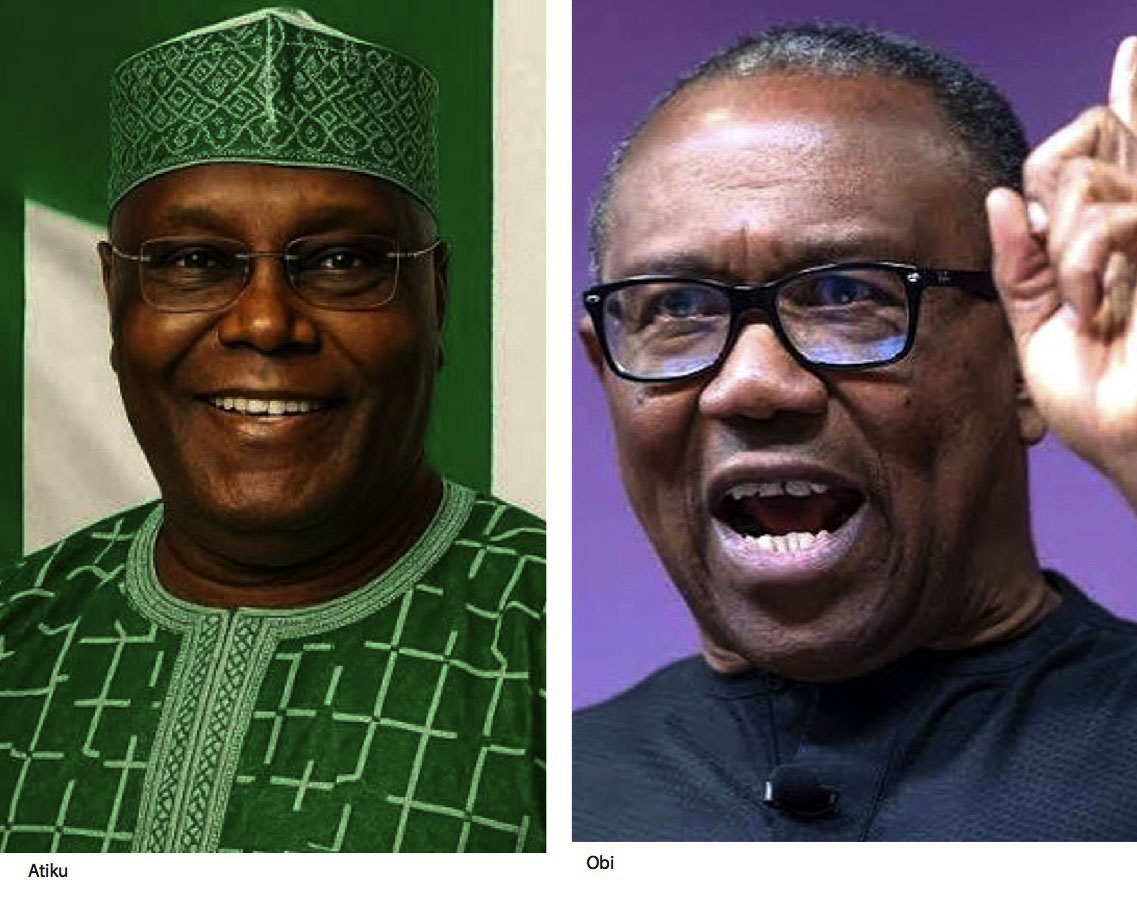
By Idowu Ephraim Faleye +2348132100608 MaTaZ ArIsInGDallas, Texas The presidential campaign season for the office of President of Nigeria will bring the familiar noise to our streets and airwaves. Aspirants will tell Nigerians why the country is broken and why they alone possess the solution. But serious leadership requires more than angry slogans and a…
-
Nigeria may crash chaotically under Atiku – Babachir Lawal; says he’d rather back Tinubu

MaTaZ ArIsInGDallas, Texas Former Secretary to the Government of the Federation, Babachir Lawal, has said he would rather support President Bola Tinubu than former Vice President Atiku Abubakar, arguing that an Atiku presidency could lead to a “chaotic” crash. Lawal made the remarks during an interview on the Naija Unfiltered Podcast, while explaining his opposition…
-
How subsidy removal funded $500m Lagos airport rebuild — Keyamo
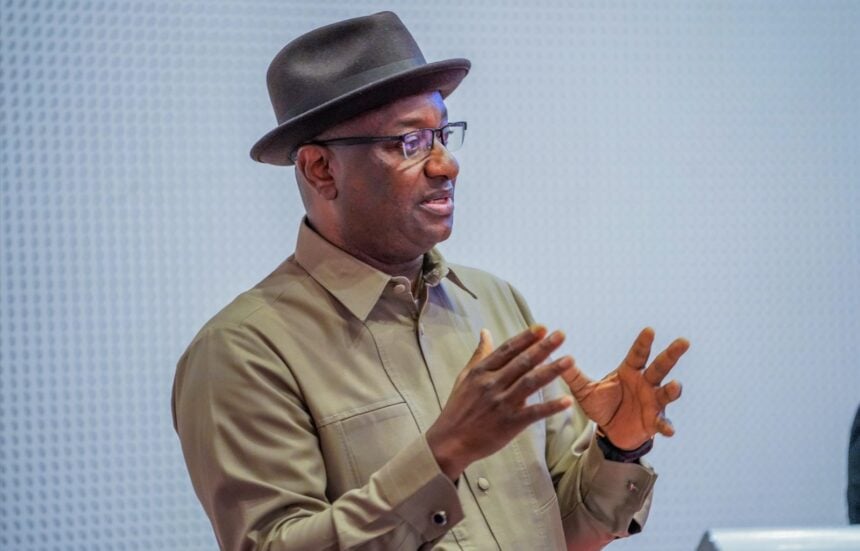
MaTaZ ArIsInGDallas, Texas The removal of the fuel subsidy has enabled the Federal Government to raise about $500m for the reconstruction of the Lagos airport and other aviation infrastructure, the Minister of Aviation and Aerospace Development, Festus Keyamo, has said. Keyamo disclosed this on Monday in Lagos while speaking at the 67th anniversary of Aero…