
Former Head of State Yakubu Gowon disputes claims that the 1967 Aburi meeting agreed to Biafra’s independence.
General akubu Gowon says no agreement was reached at the Aburi meeting on Biafra’s independence, countering claims made by Ojukwu
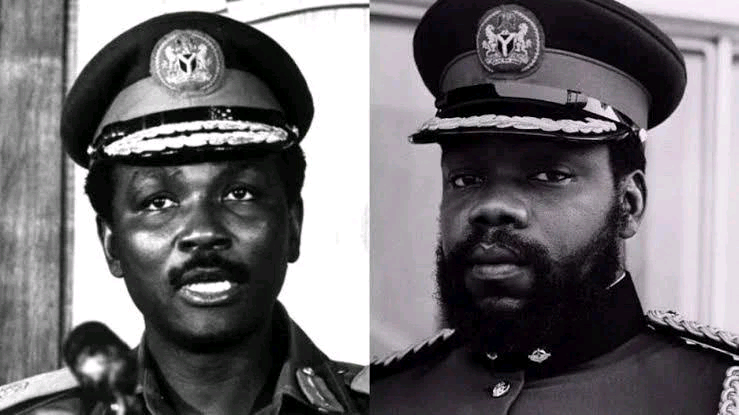
Former Nigerian Head of State Yakubu Gowon has rejected claims that the 1967 Aburi meeting in Ghana produced an agreement for the Eastern Region to secede and establish Biafra, insisting that no such consensus was reached with then Eastern leader Chukwuemeka Odumegwu Ojukwu.
Gowon made the clarification in his autobiography, My Life of Duty and Allegiance, where he revisited events leading to the Nigerian civil war and disputed interpretations of the Aburi peace talks held on January 4 and 5, 1967.
He said he was surprised by what he described as a misrepresentation of the outcome of the meeting in Ghana, adding that he was shocked to hear Ojukwu present the discussions as an agreement to partition Nigeria.
Gowon wrote, “I rose from bed, aghast as Ejoor summarised the thrust of Ojukwu’s address to the people of Eastern Region. Among other things, he had told his people that we had agreed to partition Nigeria so that each Region could, from that point, go its separate way.”
He dismissed the interpretation as incorrect, stating, “That was completely wrong.” He maintained that the Aburi talks were intended to ease tensions and preserve Nigeria’s unity rather than formalise any secession arrangement.
According to him, the discussions followed earlier political tensions in the country and were aimed at finding a peaceful resolution to growing divisions among the regions.
Gowon also argued that the resolutions reached at Aburi did not support claims of agreed independence, insisting that official records of the meeting contradicted such assertions.
He further stated, “What Ojukwu said, therefore, merely confronted to his own personal agenda, not the agreed position at Aburi and not what the generality of Nigerians wanted. Records of the meeting did not support his stance either.”
The former leader maintained that the intention of the meeting was to preserve national unity amid rising political and ethnic tensions at the time.
He added that misunderstandings surrounding the Aburi accord contributed to the breakdown of trust between both sides, eventually leading to the outbreak of the Nigerian Civil War in July 1967.
The war, which lasted until January 1970, resulted in significant loss of life and remains one of the most defining chapters in Nigeria’s history.

1SUBSCRIBE TO OUR NEWSLETTER NOW
Support MATAZ ARISING’ journalism of integrity and credibility.
Good journalism ensure the possibility of a good society, an accountable democracy, and a transparent government.
We ask you to consider making a modest support to this noble endeavour.
TEXT AD: To advertise here – Email ad@matazarising.com
LATEST POSTS
-
The Plight of the Masses; and the Thinking Behind the New Petrol Discount

MaTaZ ArIsInGDallas, Texas By Idowu Ephraim Faleye +2348132100608 The removal of the petrol subsidy placed considerable economic pressure on Nigerians, particularly through rising transportation costs, food prices and the cost of doing business. While economic reforms may be necessary to address structural problems, their impact on ordinary citizens cannot be ignored. In response to these…
-
2027: NDC’s Gwarzo missing from INEC list of Kano guber candidates as INEC releases final candidates’ list
MaTaZ ArIsInGDallas, Texas The release of the final list of candidates for the 2027 general elections by the Independent National Electoral Commission has sparked mixed reactions following the omission of prominent opposition figures, including a former Minister of Communications and Digital Economy, Isa Pantami; Ogun State Peoples Democratic Party governorship candidate, Ladi Adebutu; and the…
-
Why UK varsities are cancelling Nigerians’ admission — Report
MaTaZ ArIsInGDallas, Texas UK universities are withdrawing admission offers to Nigerian students amid a surge in study visa application withdrawals and fears that stricter immigration rules could bar institutions from recruiting international students. By Okiki Adeduyite The Financial Times, in a report published on Saturday, said that 22.7 per cent of UK study visa applications from…