

Babajide Ojo
18.04.2026
Nigeria’s economic indicators are shifting, markets are responding and infrastructure is rising, yet many still insist nothing is changing. The evidence suggests otherwise.
For those who claim they cannot see what is happening in Nigeria’s economy, it is time to connect the dots with clarity rather than sentiment.
The surge in corporate profits and the strong performance of the Nigerian stock market are not random events but early, measurable consequences of structural reforms introduced under President Bola Ahmed Tinubu, reforms that were difficult, disruptive and long overdue.
Removal of the fuel subsidy, which had drained public finances for decades, immediately freed up revenue. State governments, once burdened by borrowing just to meet salary obligations, now operate with greater fiscal breathing room. Exchange-rate unification dismantled distortions that discouraged investment and enabled arbitrage at the expense of the wider economy. Fiscal tightening signalled a shift toward discipline and transparency.
These decisions reset the economic foundation, with businesses responding by adjusting operations and improving efficiency. Investors, seeing clearer policy direction, began to return. The results are increasingly visible not in rhetoric, but in balance sheets.
One of the clearest indicators of this shift is the surge in digital transactions recorded in 2025.
The administration’s push to modernise the financial system, supported by a banking recapitalisation drive anchored by the Central Bank that raised over $3.4 billion (₦4.7 trillion), enabled banks to significantly expand investment in technology infrastructure. The outcome was the processing of over 11 billion transactions within a year.
These figures reflect real economic activity and raise a simple question: if economic life were truly collapsing, who is driving this scale of financial interaction? Were the billions of transactions made by ghosts?
At the same time, exchange-rate reforms and a stabilising naira have helped retain more value within the domestic economy, strengthening the digital financial ecosystem. Recognising its importance, the Nigerian Senate has moved to classify major fintechs such as oPay and Moniepoint as “critical national infrastructure,” ensuring higher security, operational standards and resilience.
Ironically, many of the young Nigerians who stand to benefit most from these reforms are often the quickest to dismiss them.
Alongside these financial shifts is a significant expansion in infrastructure. Across the country, road construction and rehabilitation are progressing at scale. The Lagos–Calabar Coastal Highway is opening new economic corridors along the southern coast. The Sokoto–Badagry Superhighway aims to link the far North to the South-West. The Akwanga–Jos–Bauchi–Gombe corridor is strengthening connectivity across regions, while projects such as the Benin–Asaba route and Enugu–Port Harcourt Expressway are improving mobility across key commercial zones. Numerous other corridors – from Lokoja–Benin to Kano–Kongolam to Ilorin – Jebba – Mokwa are also undergoing upgrades.
These projects are not cosmetic; they are strategic investments in Nigeria’s economic backbone. The use of reinforced concrete over asphalt further reflects a deliberate shift toward durable, long-life infrastructure built to last for decades.
Infrastructure shapes productivity. As roads improve, travel times fall, logistics become more efficient, agricultural losses decline and market access expands. Businesses operate at lower cost, reach wider markets and scale more effectively. In turn, improved productivity feeds directly into stronger corporate performance.
This is the broader cycle now taking shape: reforms create stability; stability improves productivity; productivity drives profits; profits attract investment; and investment fuels further growth.
As confidence builds, capital flows into the market. When investors realise gains, that capital does not sit idle but circulates through the economy, supporting consumption, enterprise and further investment. Higher corporate earnings and investment activity also translate into increased tax revenues, strengthening government capacity. Financial institutions benefit as asset values rise, enabling greater lending, which in turn supports business expansion.
None of this suggests that Nigeria’s challenges have disappeared. Inflation remains elevated, and the cost of living continues to strain households. Structural issues built over decades cannot be resolved overnight.
However, to insist that nothing is working despite these indicators is not analysis but denial.
Economic transformation is rarely comfortable in its early stages. It involves disruption, adjustment and uncertainty. What matters is whether the underlying system begins to respond. Current signals showing stronger corporate performance, rising market confidence and accelerated infrastructure development suggest that it is.
While acknowledging that the gains are not yet evenly distributed and many Nigerians are still waiting to feel tangible relief, it must be stated that these developments are not accidental. They point to an economy that is recalibrating and rebuilding its foundations.
This is where the national conversation must mature.
Criticism is essential in a democracy, but much of what passes for opposition today is politics without substance, focused more on gaining power than offering credible alternatives. Dismissing measurable outcomes without presenting workable policies does not therefore strengthen debate but simply exposes a lack of depth.
The economy is responding, whether acknowledged or not. Markets are adjusting. Infrastructure is expanding. Productive capacity is shifting. These are outcomes, not talking points.
Over time, outcomes tend to outlast outrage.
Sooner or later, even the sceptics will have to confront what is happening in plain sight. The data is shifting, the system is adjusting, and the trajectory has changed. Reality is asserting itself.
And it is getting harder to ignore.
Babajide Ojo
A Political and Public Affairs Analyst writes from London, United Kingdom

1SUBSCRIBE TO OUR NEWSLETTER NOW
Support MATAZ ARISING’ journalism of integrity and credibility.
Good journalism ensure the possibility of a good society, an accountable democracy, and a transparent government.
We ask you to consider making a modest support to this noble endeavour.
TEXT AD: To advertise here – Email ad@matazarising.com
LATEST POSTS
-
Dangote’s Industrial Strategy: Refining, Fertiliser and Energy Infrastructure

Aliko Dangote
-
2027: Wike draws fresh battle lines with APC govs
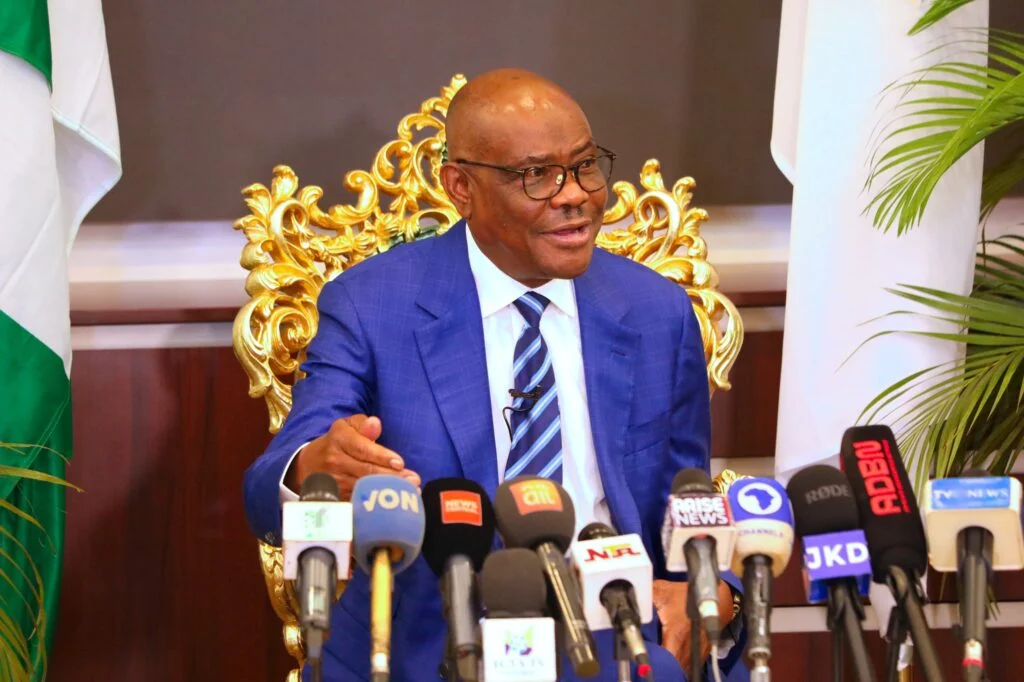
MaTaZ ArIsInGDallas, Texas The Minister of the Federal Capital Territory, Nyesom Wike, on Monday dismissed concerns by some governors of the All Progressives Congress that the proposed Rainbow Coalition could undermine the ruling party ahead of the 2027 elections. Speaking on TVC’s Journalists’ Hangout, Wike said the coalition was primarily aimed at mobilising support for…
-
Police arrest 251 terrorists, 343 others, rescue 1,066 kidnap victims in seven months
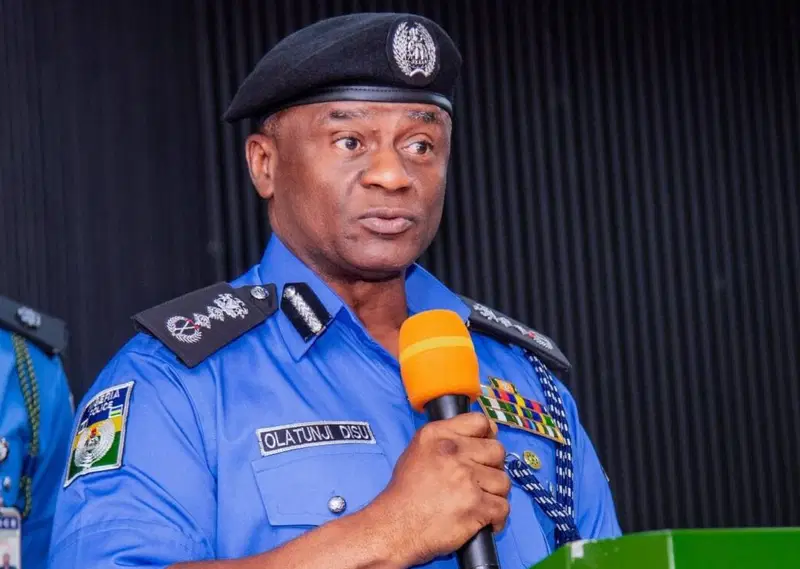
MaTaZ ArIsInGDallas, Texas Inspector-General of Police, IGP Olatunji Rilwan Disu, has disclosed that the Nigeria Police Force arrested 251 terrorists and suspected bandits and 343 murder suspects between February and September 2026. Disu made this known on Monday while declaring open the 2026 Conference and Retreat for Senior Police Officers (CARSPO) in Owerri, Imo State.…