


ABUJA — President Bola Ahmed Tinubu has signed the African Union Convention for the Protection and Assistance of Internally Displaced Persons (IDPs), also known as the Kampala Convention, into law, strengthening humanitarian protection and safeguarding the rights and dignity of displaced Nigerians.

Titled “Act to Give Effect to the Provisions of the African Union Convention for the Protection and Assistance of Internally Displaced Persons in Nigeria; and for Related Matters,” the legislation was sponsored by Deputy Speaker Hon. Benjamin Okezie Kalu, with six co-sponsors including Hon. Jonathan Gaza Gbefwi, Hon. Khadijat Bukar Ibrahim, Hon. Blessing Onuh, Hon. Nasiru Shehu, Hon. Felix Uche Nwaeke, and Hon. Steve Fatoba.
Previously passed by both chambers of the National Assembly, the law domesticates and enforces the Kampala Convention in Nigeria, aiming to eliminate the root causes of internal displacement in line with the Constitution and relevant national and international instruments.
Since 2009, Nigeria, alongside 32 other African Union member states—including Angola, Cameroon, Chad, Ethiopia, Mali, South Sudan, and Zimbabwe—ratified the Convention.
The Act provides a legal and institutional framework to prevent, mitigate, and resolve internal displacement, ensure protection and assistance for IDPs, uphold their human rights, and define the responsibilities of government agencies and non-state actors. It also promotes gender-sensitive approaches, coordination, and cooperation among stakeholders, and encourages solidarity and durable solutions for displaced populations.
Nigeria faces severe humanitarian crises, with millions of IDPs living in informal camps plagued by extreme poverty, hunger, disease, and insecurity. Causes include Boko Haram insurgency, banditry, farmer-herder conflicts, and natural disasters.
The domestication of the Kampala Convention is expected to address overcrowding in shelters, improve access to healthcare and education, and provide a more structured national response to displacement.
In response, Deputy Speaker Kalu praised President Tinubu for giving “a human face to the suffering of IDPs” and urged Nigerians and the international community to support the effective implementation of the law.
“We must work together to address the humanitarian crisis and provide durable solutions for IDPs,” Kalu said, emphasizing the importance of collaboration with global partners in tackling the root causes of displacement.

1SUBSCRIBE TO OUR NEWSLETTER NOW
Support MATAZ ARISING’ journalism of integrity and credibility.
Good journalism ensure the possibility of a good society, an accountable democracy, and a transparent government.
We ask you to consider making a modest support to this noble endeavour.
TEXT AD: To advertise here – Email ad@matazarising.com
LATEST POSTS
-
Dangote’s Industrial Strategy: Refining, Fertiliser and Energy Infrastructure

Aliko Dangote
-
2027: Wike draws fresh battle lines with APC govs
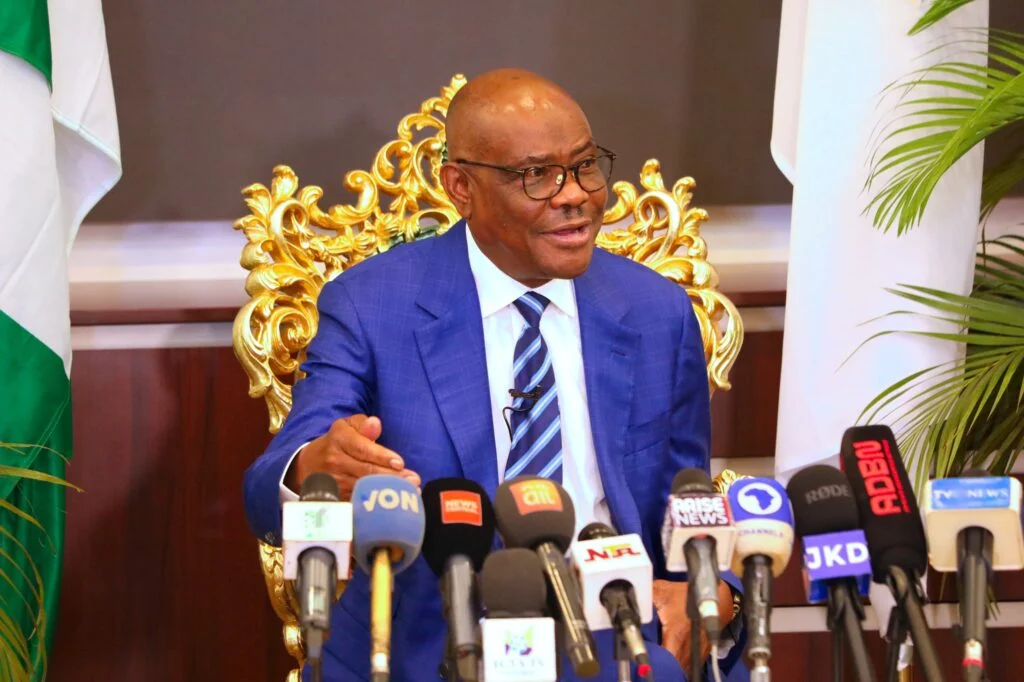
MaTaZ ArIsInGDallas, Texas The Minister of the Federal Capital Territory, Nyesom Wike, on Monday dismissed concerns by some governors of the All Progressives Congress that the proposed Rainbow Coalition could undermine the ruling party ahead of the 2027 elections. Speaking on TVC’s Journalists’ Hangout, Wike said the coalition was primarily aimed at mobilising support for…
-
Police arrest 251 terrorists, 343 others, rescue 1,066 kidnap victims in seven months

MaTaZ ArIsInGDallas, Texas Inspector-General of Police, IGP Olatunji Rilwan Disu, has disclosed that the Nigeria Police Force arrested 251 terrorists and suspected bandits and 343 murder suspects between February and September 2026. Disu made this known on Monday while declaring open the 2026 Conference and Retreat for Senior Police Officers (CARSPO) in Owerri, Imo State.…