
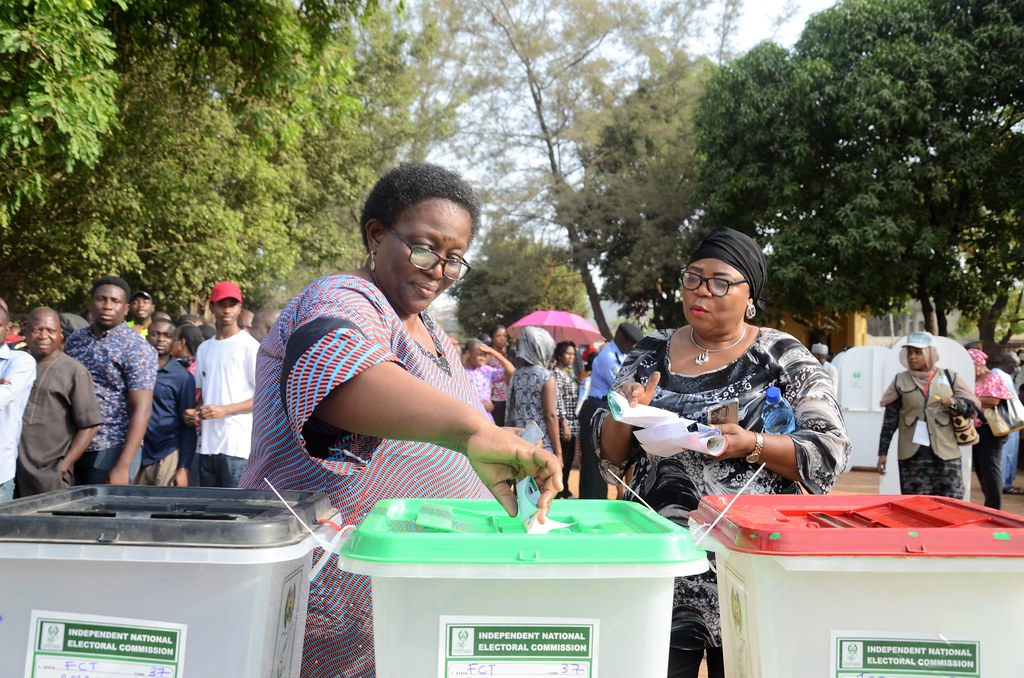
ABUJA — The Senate has rejected a proposal to make the electronic transmission of election results compulsory, but insists it has not removed electronic upload from Nigeria’s electoral law, clarifying that the existing Electoral Act already permits digital transmission at the discretion of the Independent National Electoral Commission (INEC).
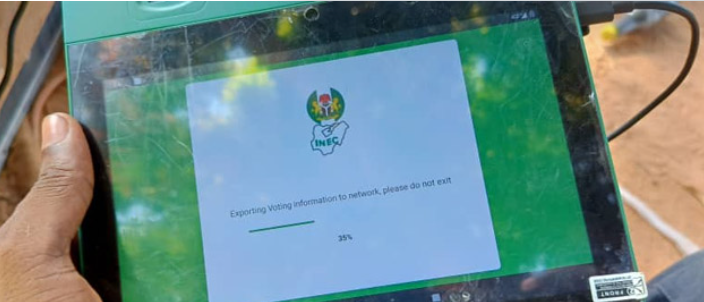
The controversy followed the Senate’s clause-by-clause consideration of the Electoral Act (Amendment) Bill, during which lawmakers voted down an amendment to Clause 60(3) that sought to mandate presiding officers to electronically transmit polling unit results to INEC’s Result Viewing (IReV) portal in real time after signing and stamping Form EC8A.
Instead, the chamber retained the current wording in the Electoral Act, which provides that “the presiding officer shall transfer the results, including the total number of accredited voters and the results of the ballot, in a manner as prescribed by the Commission.”
By rejecting the amendment, the Senate declined to hard-wire mandatory electronic transmission into the statute, leaving the mode of results transfer to INEC’s operational guidelines rather than making it an absolute legal requirement.
However, Senate President Godswill Akpabio moved quickly to counter public claims that lawmakers had rejected electronic transmission entirely.
“Distinguished colleagues, the social media is already awash with reports that the Senate has rejected electronic transmission of results. That is not true,” Akpabio said after the bill was passed following a marathon session lasting over four hours.
“What we did was to retain the electronic transmission which has been in the Act and was used in 2022. So please do not allow people to confuse you.”
He stressed that the Senate merely refused to impose a new mandatory layer, not to abolish digital uploads.
“This Senate under my watch has not rejected the electronic transmission of results. We have retained what was in the previous provision by way of amendment. The previous provision already made allowance for electronic transmission, so it is still part of our law. We cannot afford to be going backwards,” Akpabio said.
Under the Electoral Act 2022, electronic transmission is not expressly compulsory. Section 60 provides that results shall be transferred “in a manner as prescribed by the Commission,” giving INEC the power to determine whether, when and how technology such as BVAS and the IReV portal is used.
This was the legal basis upon which INEC uploaded polling unit results electronically during the 2023 general elections, even though the law itself did not impose a strict obligation for real-time transmission.
The rejected Senate amendment sought to change that framework by compelling presiding officers to upload results immediately and electronically, a move civil society groups and opposition parties argue would strengthen transparency and reduce manipulation.
But lawmakers maintained that embedding a rigid technical process in the law could limit INEC’s flexibility, especially in areas with connectivity challenges.
Akpabio urged Nigerians to distinguish between rejecting electronic transmission and rejecting mandatory electronic transmission.
“If you are in doubt, we will make our final votes and proceedings available to you. Please don’t go with the crowd,” he added.
The debate highlights a central tension in Nigeria’s electoral reforms: whether technology should remain a tool controlled by INEC or become a strict statutory obligation.
As the National Assembly continues work on the Electoral Act amendments ahead of future elections, the fate of mandatory electronic transmission remains one of the most politically sensitive and closely watched reforms in the country’s democratic process.

1SUBSCRIBE TO OUR NEWSLETTER NOW
Support MATAZ ARISING’ journalism of integrity and credibility.
Good journalism ensure the possibility of a good society, an accountable democracy, and a transparent government.
We ask you to consider making a modest support to this noble endeavour.
TEXT AD: To advertise here – Email ad@matazarising.com
LATEST POSTS
-
The Plight of the Masses; and the Thinking Behind the New Petrol Discount

MaTaZ ArIsInGDallas, Texas By Idowu Ephraim Faleye +2348132100608 The removal of the petrol subsidy placed considerable economic pressure on Nigerians, particularly through rising transportation costs, food prices and the cost of doing business. While economic reforms may be necessary to address structural problems, their impact on ordinary citizens cannot be ignored. In response to these…
-
2027: NDC’s Gwarzo missing from INEC list of Kano guber candidates as INEC releases final candidates’ list
MaTaZ ArIsInGDallas, Texas The release of the final list of candidates for the 2027 general elections by the Independent National Electoral Commission has sparked mixed reactions following the omission of prominent opposition figures, including a former Minister of Communications and Digital Economy, Isa Pantami; Ogun State Peoples Democratic Party governorship candidate, Ladi Adebutu; and the…
-
Why UK varsities are cancelling Nigerians’ admission — Report

MaTaZ ArIsInGDallas, Texas UK universities are withdrawing admission offers to Nigerian students amid a surge in study visa application withdrawals and fears that stricter immigration rules could bar institutions from recruiting international students. By Okiki Adeduyite The Financial Times, in a report published on Saturday, said that 22.7 per cent of UK study visa applications from…