
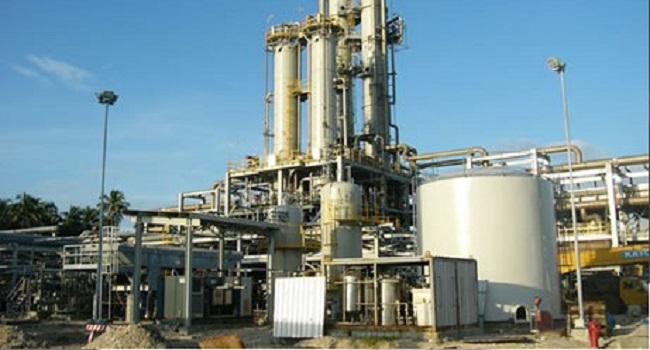
The President outlined ongoing efforts to revive key projects, including the Ajaokuta Steel Company, and others
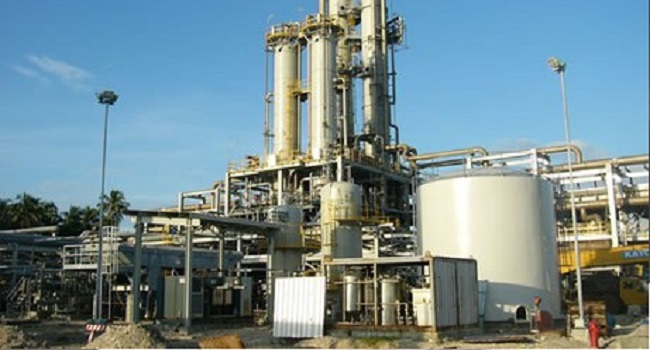
President Bola Tinubu has raised concerns about the prolonged paralysis of the Ajaokuta Steel Company, saying it has moved beyond economic loss to posing a threat to Nigeria’s sovereignty.
Speaking at the Inaugural Stakeholders Summit on the Development of the Steel Sector in Abuja on Tuesday, the President, represented by Vice President Kashim Shettima, described the steel industry as the backbone of industrialisation and national security.
“How can we build, manufacture, or defend ourselves without the material that enables all three? Steel is more than an industrial input It builds our bridges, powers our industries, supports our defence, and lays the foundation for a modern economy,” Tinubu said, noting that no nation has achieved true development without mastering steel production.
The President outlined ongoing efforts to revive key projects, including the Ajaokuta Steel Company, the Aluminium Smelter Company of Nigeria, the National Iron Ore Mining Company, and the Delta Steel Company (Premium Steel and Mines).
The initiatives include a Memorandum of Understanding with Tyazhpromexport (TPE) to rehabilitate and operate the Ajaokuta plant and the National Iron Ore Mining Company, alongside proposals from Chinese partners under review.
He revealed that a $500 million project to construct five mini-LNG plants in Ajaokuta is underway in partnership with NNPC Limited and private stakeholders.
Plans are also in place to produce military hardware at the Ajaokuta Engineering Workshop in collaboration with the Ministry of Defence and the Defence Industries Corporation of Nigeria, as well as to establish an Industrial Park and Free Trade Zone in the area.
On the Aluminium Smelter Company in Ikot-Abasi, Tinubu said a $465 million investment proposal is under review, while Premium Steel and Mines has committed to resuming operations within 18 months.
He added that Stellar Steel is investing $400 million in a new Ewekoro plant for hot-rolled coils and plates.
The President projected that by 2030, Nigeria would produce 10 million tonnes of liquid steel and create over 500,000 jobs, urging private sector investment to complement government efforts.
Minister of Steel Development, Shuaibu Audu, highlighted incentives such as tax holidays, import duty exemptions, and local sourcing policies, stressing that steel revitalisation could cut Nigeria’s $4 billion import bill.

1SUBSCRIBE TO OUR NEWSLETTER NOW
Support MATAZ ARISING’ journalism of integrity and credibility.
Good journalism ensure the possibility of a good society, an accountable democracy, and a transparent government.
We ask you to consider making a modest support to this noble endeavour.
TEXT AD: To advertise here – Email ad@matazarising.com
LATEST POSTS
-
Dangote’s Industrial Strategy: Refining, Fertiliser and Energy Infrastructure

Aliko Dangote
-
2027: Wike draws fresh battle lines with APC govs
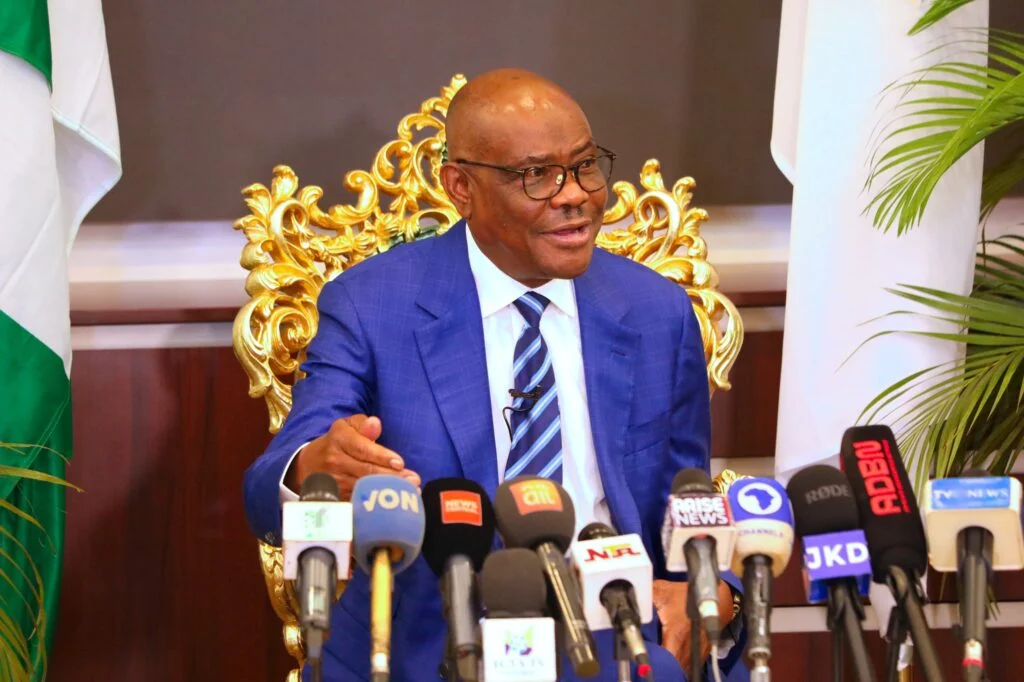
MaTaZ ArIsInGDallas, Texas The Minister of the Federal Capital Territory, Nyesom Wike, on Monday dismissed concerns by some governors of the All Progressives Congress that the proposed Rainbow Coalition could undermine the ruling party ahead of the 2027 elections. Speaking on TVC’s Journalists’ Hangout, Wike said the coalition was primarily aimed at mobilising support for…
-
Police arrest 251 terrorists, 343 others, rescue 1,066 kidnap victims in seven months

MaTaZ ArIsInGDallas, Texas Inspector-General of Police, IGP Olatunji Rilwan Disu, has disclosed that the Nigeria Police Force arrested 251 terrorists and suspected bandits and 343 murder suspects between February and September 2026. Disu made this known on Monday while declaring open the 2026 Conference and Retreat for Senior Police Officers (CARSPO) in Owerri, Imo State.…