
By Idowu Ephraim Faleye +2348132100608,
There is something troubling about the way political arguments are conducted in Nigeria. Whenever a political development favours one side or goes against the interests of another, emotions often replace facts. Rather than examine what happened, people rush to find someone to blame. The ADC crisis is another example.
Since Atiku Abubakar and his political associates encountered difficulties over the leadership of the African Democratic Congress (ADC), many have blamed President Bola Tinubu and the judiciary. Some have presented the development as a deliberate attempt by the ruling party to weaken the opposition ahead of the 2027 general election.
But before jumping to conclusions, Nigerians need to understand the history of the crisis. This is not a dispute that suddenly emerged in 2026. Its roots go back to 2022, long before Tinubu became President and before Atiku considered making the ADC his political platform.
The crisis started within the ADC itself. In September 2022, 27 out of the party’s 32 state chairmen reportedly passed a vote of no confidence in the then National Chairman, Ralph Nwosu. Their complaint was that he had overstayed his tenure, having remained in office for approximately 17 years.
According to the party’s constitution, Nwosu’s four-year tenure expired on 28 August 2022. Rather than step aside, he convened an emergency National Executive Committee (NEC) meeting and secured an extension of his tenure. The aggrieved state chairmen and other stakeholders rejected the move, dissolved his National Working Committee and established a caretaker arrangement.
The disagreement eventually went to the Federal High Court in Abuja. On 20 December 2022, Justice Binta Nyako delivered a judgement against Nwosu’s tenure extension. The court nullified the extension, invalidated actions taken by his executive committee after August 2022 and affirmed the state chairmen-backed Board of Trustees leadership under Senator Patricia Akwashiki, with the responsibility of steering the party towards a new national convention.
This is where the argument against Tinubu begins to lose its foundation. The judgement was delivered in December 2022, months before he became President in May 2023. He did not create the original dispute, convene the disputed NEC meeting or deliver the judgement.
One may question the conduct of political actors or disagree with a judicial decision, but blaming a President for a dispute and court judgement that predated his administration requires assessment. Political suspicion cannot replace historical facts.
However, there is a more fundamental question that deserves attention. When Atiku and his political associates entered the ADC in 2025, the question is who had the legal authority to receive them and transfer control of the party’s political structure? The person associated with facilitating their entry was Ralph Nwosu, the same former national chairman whose tenure extension had been nullified by the court in 2022.
This raises a serious legal question. If Nwosu’s tenure had expired and his executive committee’s subsequent actions had been invalidated, what legal authority did he possess to transfer control of the party’s structure in 2025? There is a fundamental principle of law expressed in the Latin maxim nemo dat quod non habet. In simple English, nobody can give what he does not have. A person cannot transfer a legal right or authority that he does not possess.
This is the central question raised by the Nafiu and Akwashiki group. It is a question of legal authority, not merely political rivalry. Whether their position is ultimately correct must be determined by the courts, but the question itself cannot be dismissed simply because Atiku is involved. The ADC constitution also matters. Political parties are not private properties belonging to their national chairmen or influential members. They are institutions governed by constitutions that define their leadership structures and the procedures for electing national executives.
Where the constitution prescribes a national convention for electing national executives, that process must be respected. A group cannot simply arrive, organise a press conference, privatize another people’s political party, unveil a new National Working Committee and assume that it has acquired legitimate control of the party. If such a practice were accepted, wealthy politicians could take over existing political parties overnight without the consent of their members. What would then happen to the state chairmen, local government executives, ward officers and ordinary members who built those parties?
Internal party democracy must mean something. The rights of existing members cannot be sacrificed simply because a politically influential individual has arrived with the resources to finance an electoral campaign.
This also raises questions about the political judgement behind Atiku’s choice of platform. Atiku is an experienced politician who understands the complexities of Nigerian politics. Before adopting a party as a vehicle for a presidential ambition, one would expect serious legal and political assessments. There were reportedly other options. Nasir El-Rufai had prepared the Social Democratic Party (SDP) as a possible platform, while the Amaechi panel reportedly recommended the formation of a new political party. Atiku’s group eventually settled for the ADC, despite its existing leadership crisis.
There is nothing wrong with adopting an established political party. However, the wisdom of such a decision depends on the condition of the party. A political organisation already embroiled in a leadership dispute, particularly one that has produced a court judgement, requires thorough legal examination before anyone attempts to build a major political project around it. Political ambition must be accompanied by sound judgement. If the necessary checks were overlooked, the resulting difficulties should not automatically be blamed on the government or the judiciary.
Another issue concerns the Supreme Court’s decision in April to return the matter to the lower court for trial. Some supporters interpreted that procedural development as a victory for their side. But returning a case for trial is not the same as winning the substantive dispute. It simply means that the lower court must examine the facts and determine the unresolved issues. This is how the judicial process works. One cannot celebrate a procedural decision when it appears favourable and condemn the judiciary when the eventual judgement goes against one’s expectations.
Of course, judicial decisions are not beyond criticism. Where there are genuine legal grounds for disagreement, the appropriate remedy is to challenge the judgement through the established judicial process. However, disagreement with a court decision is not proof of political conspiracy.
Nigeria needs strong opposition parties. A healthy democracy requires political alternatives capable of challenging government policies, scrutinising public decisions and presenting different programmes to the electorate. Therefore, the difficulties confronting the ADC should concern everyone who believes in multiparty democracy. But strengthening the opposition must not mean abandoning the rules governing political organisations. The same constitutional principles we expect the APC to respect must also apply to the ADC, PDP, Labour Party and every other registered political party.
Democracy cannot be strengthened by replacing one form of impunity with another. It requires political leaders to respect the institutions through which they seek power.
President Tinubu did not create the ADC crisis in 2022. He did not write the party’s constitution, extend Nwosu’s tenure or deliver the December 2022 judgement. Neither did he compel Atiku’s group to abandon other political options and adopt a party with an unresolved leadership dispute. If there is evidence of government interference in the present proceedings, Nigerians should demand that it be produced and investigated. But allegations must be supported by evidence, not repeated until they become accepted as facts.
Atiku has every right to contest for President, mobilise supporters and pursue his political ambition through lawful means. His supporters equally have the right to organise and challenge decisions they consider unfavourable. However, political ambition does not exempt anyone from complying with the constitution of a political party.
Ultimately, the way forward is straightforward. The ADC needs a legitimate leadership structure established through the procedures prescribed by its constitution and in compliance with relevant court orders. Its members must be allowed to exercise their rights, and competing interests must submit themselves to the lawful process. The ADC crisis should serve as a lesson to the political class. It demonstrates the danger of building major political ambitions on unresolved institutional disputes.
You may support Atiku. You may oppose Tinubu. You may have reservations about the judiciary. Those are legitimate political positions. But political sentiments should not prevent us from examining the historical record. The ADC crisis began in 2022. The court delivered its judgement in December of that year. Atiku’s group entered the party in 2025, after the dispute and its legal complications had already become part of the party’s history.
These facts cannot be erased by political sentiments. Blaming Tinubu will not rewrite the 2022 judgement. Attacking the judiciary will not change the ADC constitution. Political popularity and financial resources cannot substitute for lawful authority. The issue is not whether Atiku should become President or whether Tinubu deserves re-election. It is whether political ambition should override the rules governing democratic institutions.
A political party cannot be built by money alone, nor can it be acquired through press conferences and the announcement of new executives. It must be built on the consent of its members, the authority of its constitution and respect for the law. That is how you build a political party. And that is how you build a nation.
Idowu Ephraim Faleye is a freelance political writer based in Nigeria. +2348132100608

1SUBSCRIBE TO OUR NEWSLETTER NOW
Support MATAZ ARISING’ journalism of integrity and credibility.
Good journalism ensure the possibility of a good society, an accountable democracy, and a transparent government.
We ask you to consider making a modest support to this noble endeavour.
TEXT AD: To advertise here – Email ad@matazarising.com
LATEST POSTS
-
Oil wells: Churches deny claim against Kumuyi, Adeboye, Oyedepo
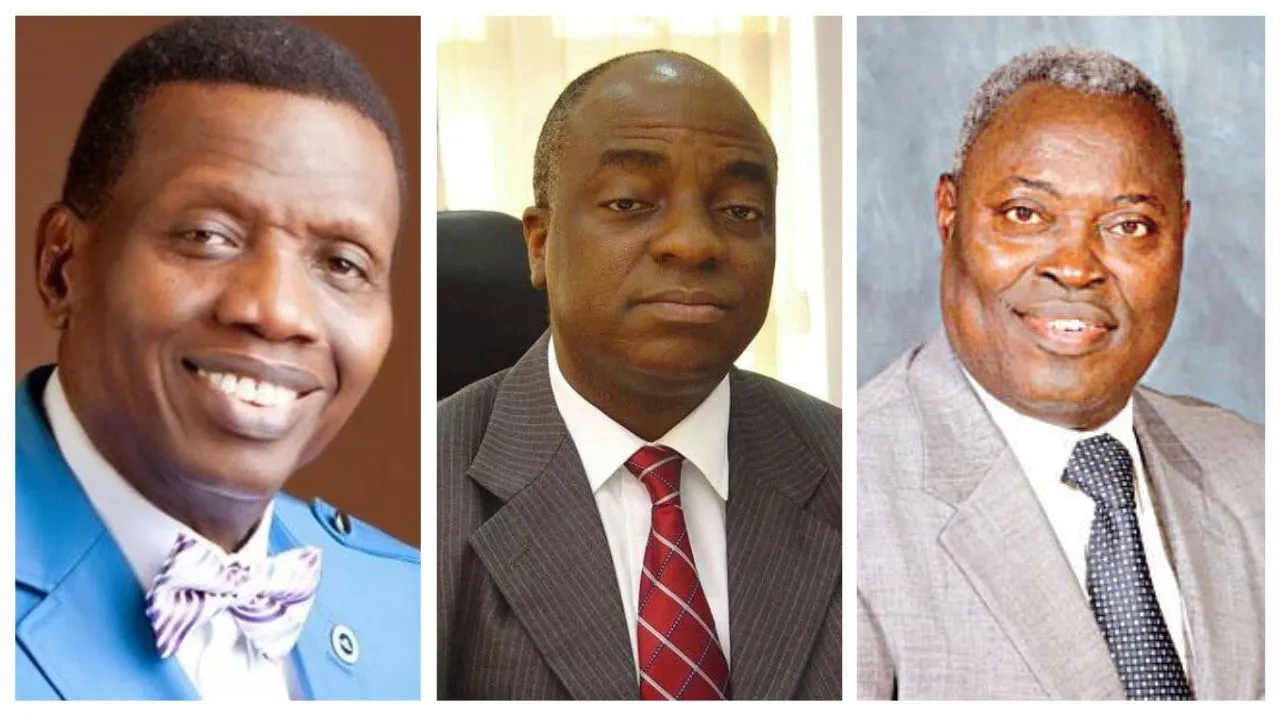
MaTaZ ArIsInGDallas, Texas By Olufemi Adediran The Redeemed Christian Church of God, Living Faith Church Worldwide and the Deeper Christian Life Ministry have reacted to an allegation that former President Olusegun Obasanjo allocated oil wells to their leaders during his administration. The allegation was made by the founder and President of the Ministers’ Prayer Network, Rev.…
-
How Buhari’s Advice Cost Me APC Presidential Ticket, Handed Victory To Tinubu — Amaechi Reveals
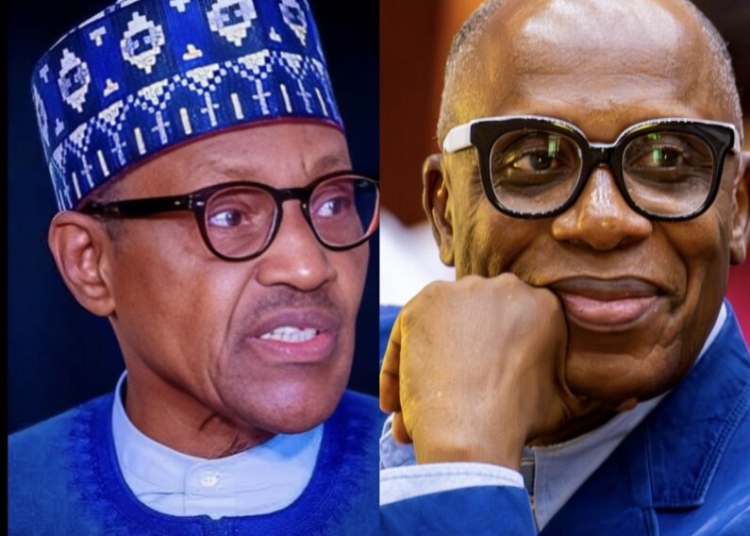
MaTaZ ArIsInGDallas, Texas Former Minister of Transportation, Rotimi Amaechi, has blamed his defeat to President Bola Tinubu in the 2022 All Progressives Congress (APC) presidential primary on his decision to follow the advice of former President Muhammadu Buhari. Amaechi said Buhari had promised to endorse him as the APC presidential candidate but advised him against…
-
2027: Obi is coming to stop the erosion of Nigeria’s commonwealth, NDC tells Tinubu
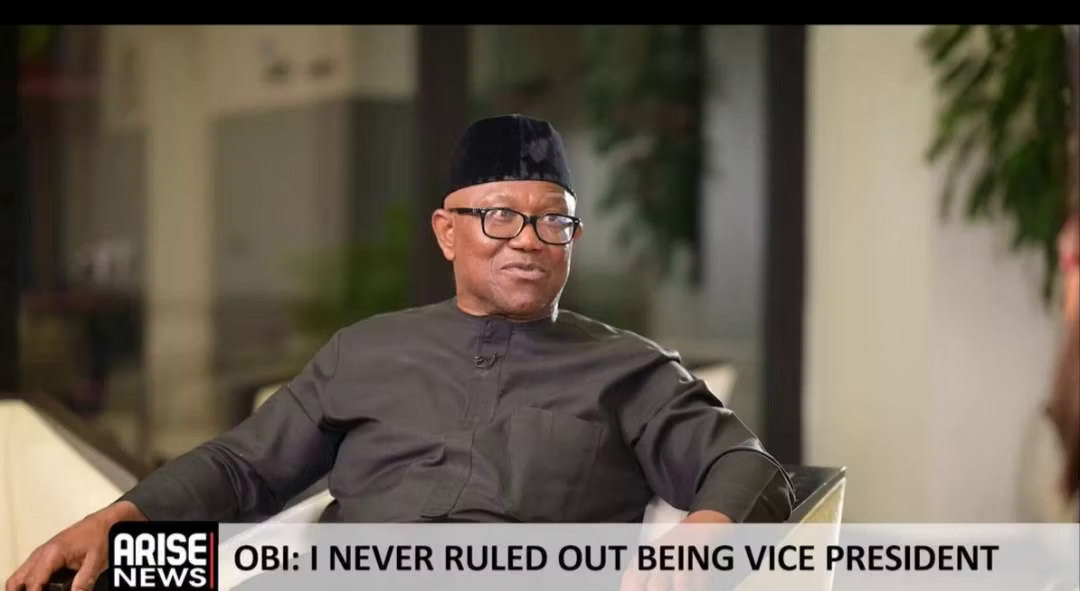
MaTaZ ArIsInGDallas, Texas Ahead of the January 16, 2027 presidential election, the Nigeria Democratic Congress (NDC) has said its presidential candidate, Peter Obi, is coming to stop what it described as the erosion of Nigeria’s commonwealth if elected president. The party said Obi and his running mate, Senator Rabiu Kwankwaso, were determined to address the…