
By Wale Adeleke

Under international law, any unilateral attempt by a state to blockade the Strait of Hormuz would face serious legal objections.
The Strait qualifies as an international strait used for navigation between one part of the high seas or exclusive economic zone and another (UNCLOS Art. 37). It is therefore governed by the regime of transit passage under UNCLOS (Arts. 37–44), which guarantees the right of uninterrupted passage for all ships and aircraft and prohibits its suspension (Arts. 38 & 44).
UNCLOS Article 42 recognizes a limited authority for coastal states to adopt laws relating to navigation safety, traffic management, and environmental protection. However, such measures must not have the effect of denying or impairing transit passage.
The United States is not a coastal state to the Strait of Hormuz and cannot invoke any regulatory authority under Article 42.
In any event, a blockade is not regulation — it is a deliberate obstruction of a protected international right, directly contrary to the UNCLOS framework.
In simple terms: No state has the legal authority to block transit through Hormuz.
II. The Rights of Coastal States to Collect Service-Based Fees
UNCLOS provides a balanced framework for coastal states. While transit passage must remain unimpeded, Article 43 allows cooperation between coastal and user states in the provision of navigational safety, environmental protection, and related services.
Within this framework, cost-sharing is permissible.
However, the Convention draws a clear line: tolls for mere passage are prohibited. Any charges must be strictly tied to specific services actually rendered — such as pilotage, traffic management, or environmental safeguards.
The distinction is straightforward: Passage is free; services may be charged for.
In conclusion, while Iran, as a coastal state, may impose Article 43–compliant service-based charges tied to navigational safety and related services, any unilateral attempt by the U.S. to blockade the Strait of Hormuz would constitute a clear violation of the UNCLOS regime governing transit passage.
The Convention permits regulation for safety and cost-recovery. What it prohibits is obstruction of passage. A blockade falls squarely in the latter category. And that includes the on-going blockade by the United States.

1SUBSCRIBE TO OUR NEWSLETTER NOW
Support MATAZ ARISING’ journalism of integrity and credibility.
Good journalism ensure the possibility of a good society, an accountable democracy, and a transparent government.
We ask you to consider making a modest support to this noble endeavour.
TEXT AD: To advertise here – Email ad@matazarising.com
LATEST POSTS
-
Oil wells: Churches deny claim against Kumuyi, Adeboye, Oyedepo
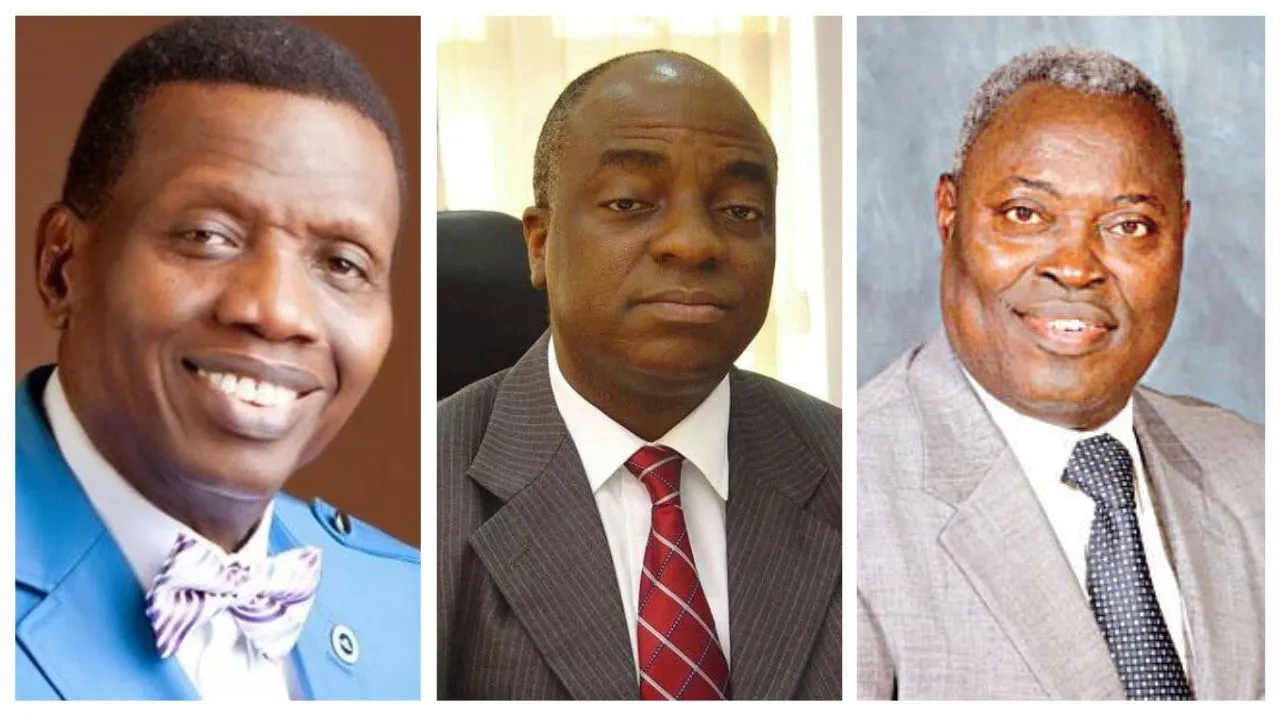
MaTaZ ArIsInGDallas, Texas By Olufemi Adediran The Redeemed Christian Church of God, Living Faith Church Worldwide and the Deeper Christian Life Ministry have reacted to an allegation that former President Olusegun Obasanjo allocated oil wells to their leaders during his administration. The allegation was made by the founder and President of the Ministers’ Prayer Network, Rev.…
-
How Buhari’s Advice Cost Me APC Presidential Ticket, Handed Victory To Tinubu — Amaechi Reveals
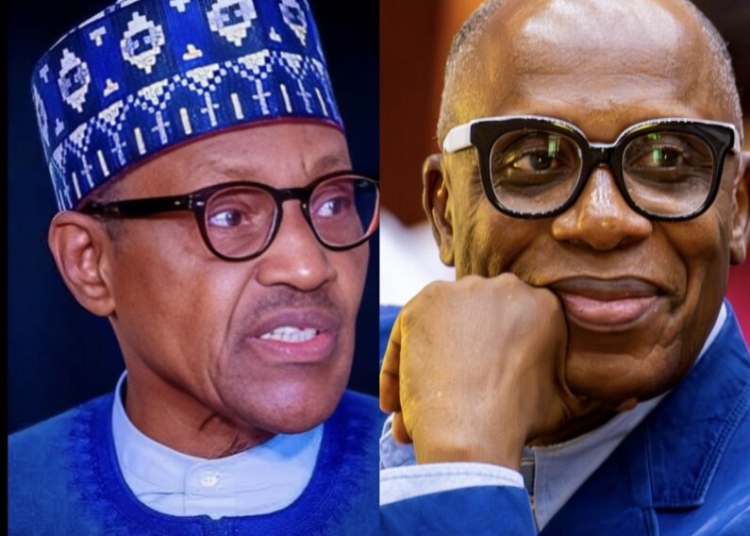
MaTaZ ArIsInGDallas, Texas Former Minister of Transportation, Rotimi Amaechi, has blamed his defeat to President Bola Tinubu in the 2022 All Progressives Congress (APC) presidential primary on his decision to follow the advice of former President Muhammadu Buhari. Amaechi said Buhari had promised to endorse him as the APC presidential candidate but advised him against…
-
2027: Obi is coming to stop the erosion of Nigeria’s commonwealth, NDC tells Tinubu
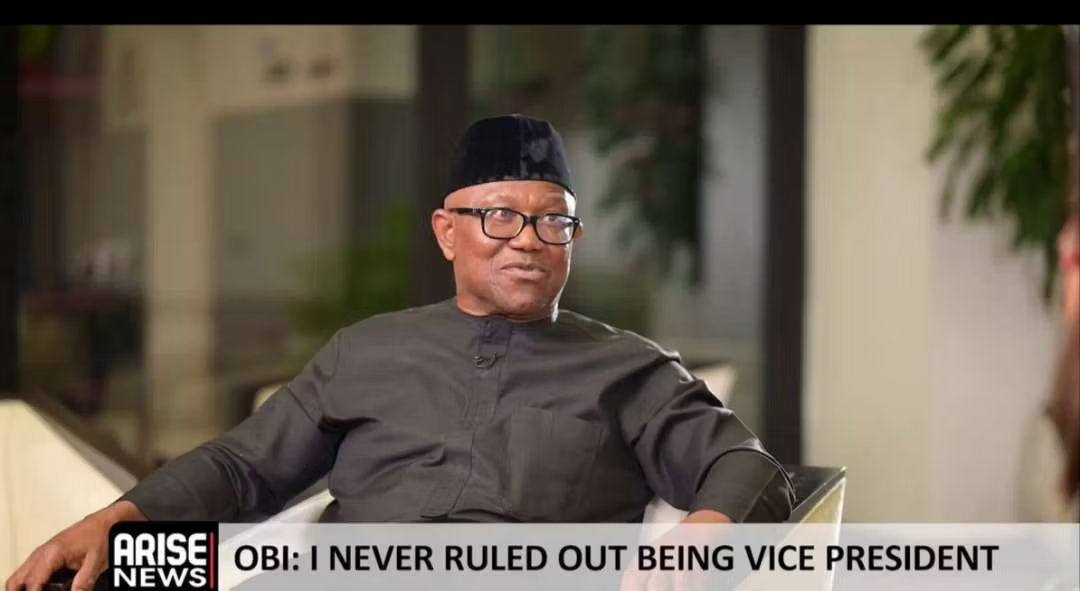
MaTaZ ArIsInGDallas, Texas Ahead of the January 16, 2027 presidential election, the Nigeria Democratic Congress (NDC) has said its presidential candidate, Peter Obi, is coming to stop what it described as the erosion of Nigeria’s commonwealth if elected president. The party said Obi and his running mate, Senator Rabiu Kwankwaso, were determined to address the…