
UNICEF
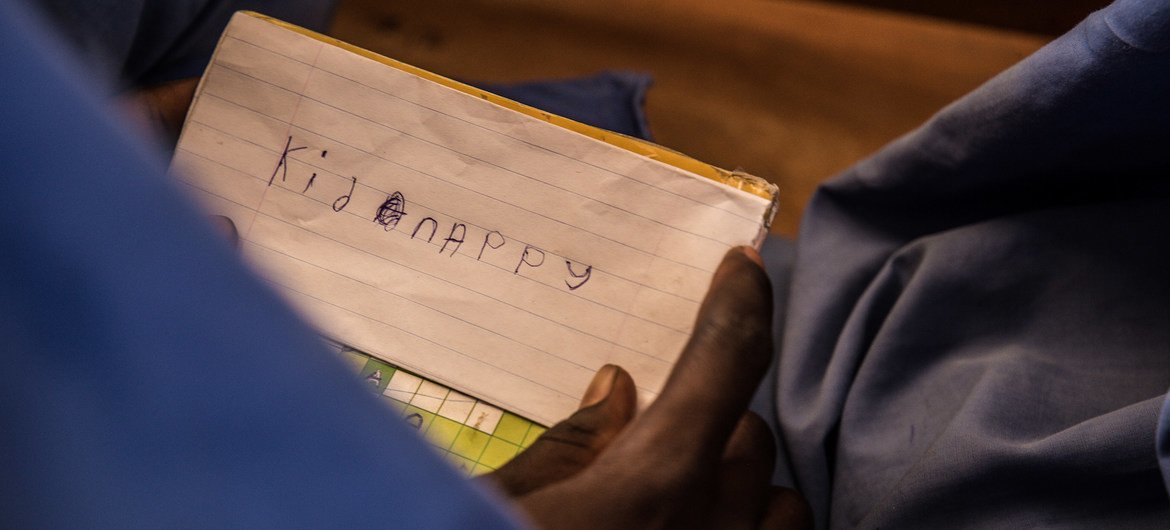
A school child in Nigeria expresses fear at being kidnapped.
Peace and Security
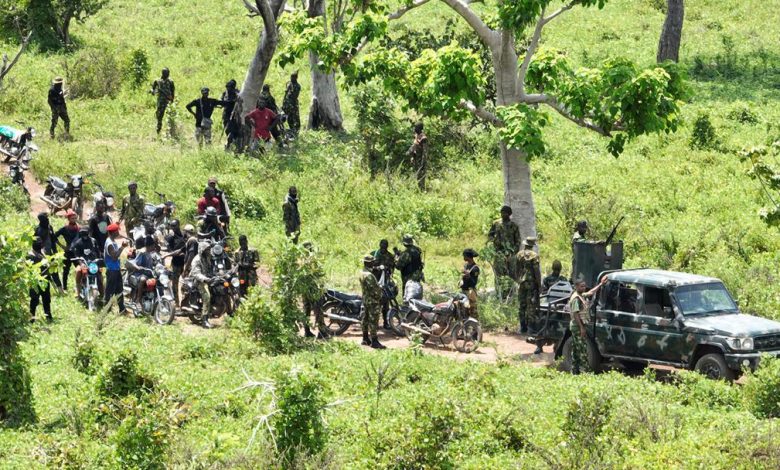
UNICEF has strongly condemned a deadly attack on a school in Kebbi State, northwest Nigeria, which left the Vice-Principal dead and resulted in the reported abduction of at least 25 students.
“No child should be put at risk while pursuing an education,” UNICEF said, stressing that classrooms must remain places of safety, not fear.
According to local reports, one of the abducted schoolgirls managed to escape and is now safe, while another student who was not taken also fled during the incident.
UNICEF extended condolences to the affected families, voiced solidarity with the community, and wished a full recovery to the injured.
Call for protection
The agency underlined that students, teachers and education facilities must be protected from all forms of violence, in line with international humanitarian and human rights law. It urged accountability for those responsible, in accordance with national and international standards.
Nigeria endorsed the Safe Schools Declaration in 2015, committing to protect the civilian character of education facilities and ensure safe access to learning during conflict.
The Declaration, launched at the First International Conference on Safe Schools in Oslo, Norway, seeks to reduce attacks on education and safeguard learning environments worldwide.
UNICEF said it continues to work closely with government partners, civil society and communities to strengthen child protection systems and promote safe, inclusive learning spaces across the country, stressing that stronger safeguards can help prevent future tragedies.
Abductions impede learning
Attacks on schools and the abduction of students remain a major barrier to learning in Nigeria. A UNICEF report released last year to mark 10 years since the notorious Chibok kidnappings found that only 37 per cent of schools across 10 states have early warning systems to detect threats, including violence and armed attacks.
The Minimum Standards for Safe Schools (MSSS) Monitoring Report revealed sharp disparities in safety across six core areas: school governance, violence prevention, natural hazards, conflict, everyday risks and safe infrastructure.
The findings underscored that ensuring all Nigerian children can learn without fear remains an urgent and unfinished task.
UNICEF reiterated that education is a fundamental right and insisted that protecting children, teachers and school infrastructure must remain a national and global priority.

1SUBSCRIBE TO OUR NEWSLETTER NOW
Support MATAZ ARISING’ journalism of integrity and credibility.
Good journalism ensure the possibility of a good society, an accountable democracy, and a transparent government.
We ask you to consider making a modest support to this noble endeavour.
TEXT AD: To advertise here – Email ad@matazarising.com
LATEST POSTS
-
Amaechi’s campaign in Rivers will be difficult if…, says Wike
MaTaZ ArIsInGDallas, Texas Home » News » Amaechi’s campaign in Rivers will be difficult if…, says Wike ABUJA: Minister of the Federal Capital Territory FCT, Nyesom Wike, has warned that it will be difficult for former Minister of Transportation, Rotimi Amaechi, running mate to the African Democratic Congress ADC presidential candidate, Atiku Abubakar, to campaign…
-
Supreme Court verdict: Candidates not in party registers risk disqualification —INEC

MaTaZ ArIsInGDallas, Texas •Affected parties will not be allowed to substitute candidates, it says •To decide fate of parties affected by apex court’s judgment next week THE Independent National Electoral Commission (INEC) has said that political parties that fielded candidates whose names were not on the membership registers submitted to the commission will not be…
-
Tinubu Support Group faults Atiku’s comment on petrol discount, defends planned relief

MaTaZ ArIsInGDallas, Texas …says 30-day intervention not a return to subsidy The Tinubu Support Group (TSG) has criticised former Vice President Atiku Abubakar over his comments on the Federal Government’s 30-day petrol discount initiative, insisting that President Bola Tinubu is exploring measures to ease the hardship caused by rising fuel prices. Christian Appolos The group…